
8:30am | Ballroom (265) |
9:00am | OK State of Mind Opening Plenary Ballroom (265) |
10:00am | Breakout Session Eviction & Health: How Housing Advocacy Can Improve Health Outcomes SYEACHIA N. DENNIS MD, MPH FAAFP, SEN. JULIA KIRT, & AMY COLDREN Ballroom (265) Built Environment NATALIE EVANS Case Study 1 (408) Built Environment Making Room for Moms: Advocating for Workspace Lactation Support MARIA MEYER & JAMIE NIGHTENGALE Case Study 1 (408) Reproductive Health SALENA KING French Lounge (270)Reproductive Health Reproductive Health An Average Woman's Voyage Through Mycoplasma, Ureaplasma, and Beyond PAIGE PALESTINI French Lounge (270)
Medicaid Reimbursement for Doula Care: Experiences of Oklahoma Doulas KATHRYN M. L. KONRAD, PHD, RNC-OB, LCCE, FACCE & DR. JENNIFER L. HECK, PHD, RNC-NIC, CNE, PMH-C Sequoyah Room (280) Reproductive Health
MIA WOODSON Sequoyah Room (280) Social Dynamics |
10:50am | Break |
11:00am | Ballroom (265) |
11:30am | Afternoon Plenary BRIT & TAYLOR HENSEL Ballroom (265) |
12:20pm | Break |
12:30pm | Breakout Session What the Village Told Us: Community Voice and the Making of Queens Village Tulsa DESHARA V, CYNTHIA SOTO-RENDER, TASIA HOLT-FLINT, NECHELLE BRADLEY Ballroom (265) Social Dynamics From Risk to Response: Protecting Women's Health Through Lethality Assessment Protocol JAIDEN BALTHROP-RUSSELL Case Study 1 (408) Social Dynamics Women's Health Has a Violence Problem BRANDI WHITE Case Study 1 (408) Social Dynamics Embodied Movement, Communion and Healing at a Women-Centered Wellness Space in Oklahoma ayri swanson & CAYCI GAINES Case Study 2 (416)Reproductive Health Social Dynamics For the Girl's Girls: Navigating Reproductive Health Through Community Care LILLITH BREAZEALE Case Study 2 (416)
Peer Education, Her Way: Perspectives of Campus Leaders Prioritizing Healthy Behaviors DESMOND DELK, JANESSA BAILEY, AMARA BROWN, JADA LEWIS, & POLIANA WEST French Lounge (270) Rural Health Red State Strategies for High-Quality Sexual Health Education and Teen Clinic Access SAMANTHA HIGGS, GABE LOWE, TOSHA BAIRD, & KALI SEXTON Sequoyah Room (280) Reproductive Health |
1:20pm | Break |
1:30pm | Breakout Session Women's Civic Leadership Panel REP. TONI HASENBECK, SEN. JO ANNA DOSSETT, REP. TRISH RANSON Ballroom (265)
Inclusive Menstrual Case for Adolescents CHRYSTAN D. CROSS Case Study 1 (408) Reproductive Health Built Environment Excuses, Excuses: Qualitative Data Review from a Study on Teen Reproductive Health LILLIAN BOCQUIN Case Study 1 (408) Reproductive Health MARIA MEYER Case Study 2 (416)Reproductive Health Reproductive Health The Hidden Determinants of Women's Health: How Workplace Dynamics Shape Women's Health LEWANA DAILEY French Lounge (270) Social Dynamics Nurse-Midwifery Matters: Integrating CNMs to Address Oklahoma's Maternal Health Crisis JESSICA COTTON, DNP, APRN, WHNP-BC, CNM, CNE Sequoyah Room (280) Reproductive Health Strengthening Oklahoma's Maternal Health Workforce: The Complementary Roles of CNMs and CPMs PRISCILLA MCFOLLING, MS, BSN, RN, & ELIZA WASHINGTON, RMSC Sequoyah Room (280)
|
2:20pm | Break |
2:30pm | Breakout Session An Innovative Mobile App Brings Lactation Care to Rural Oklahoma REBECCA "BECKY" MANNEL Case Study 1 (408)
Expecting in No Man's Land: An Audio Documentary in Progress SASKIA GHOSH Case Study 1 (408) Reproductive Health Built Environment CARRIE N. BAKER & KARLEIGH ERRAMOUSPE Case Study 2 (416)
#OKLeg & The Importance of Civic Engagement Including Indian Country VIVIAN MORRIS French Lounge (270)
Okay, So Now What? From Awareness to Opportunity DEJA WHITE French Lounge (270)
The Power of Doulas in Rural Communities MARTYNE FARRIS, ASHLEE WILSON, LAKISA ROBERTS, & KELLI WHITE Sequoyah Room (280)
|
3:20pm | Break |
3:30pm | Ballroom (265) |
8:30 am – 9:00 am | Ballroom (265)
9:00 am – 10:00 am | Ballroom (265)
10:00 am – 10:50 am
We know evictions impact individual, family, and community health. This panel will explore eviction data and health outcomes in Oklahoma and then offer next steps for advocates to push for fairer laws and better health outcomes.
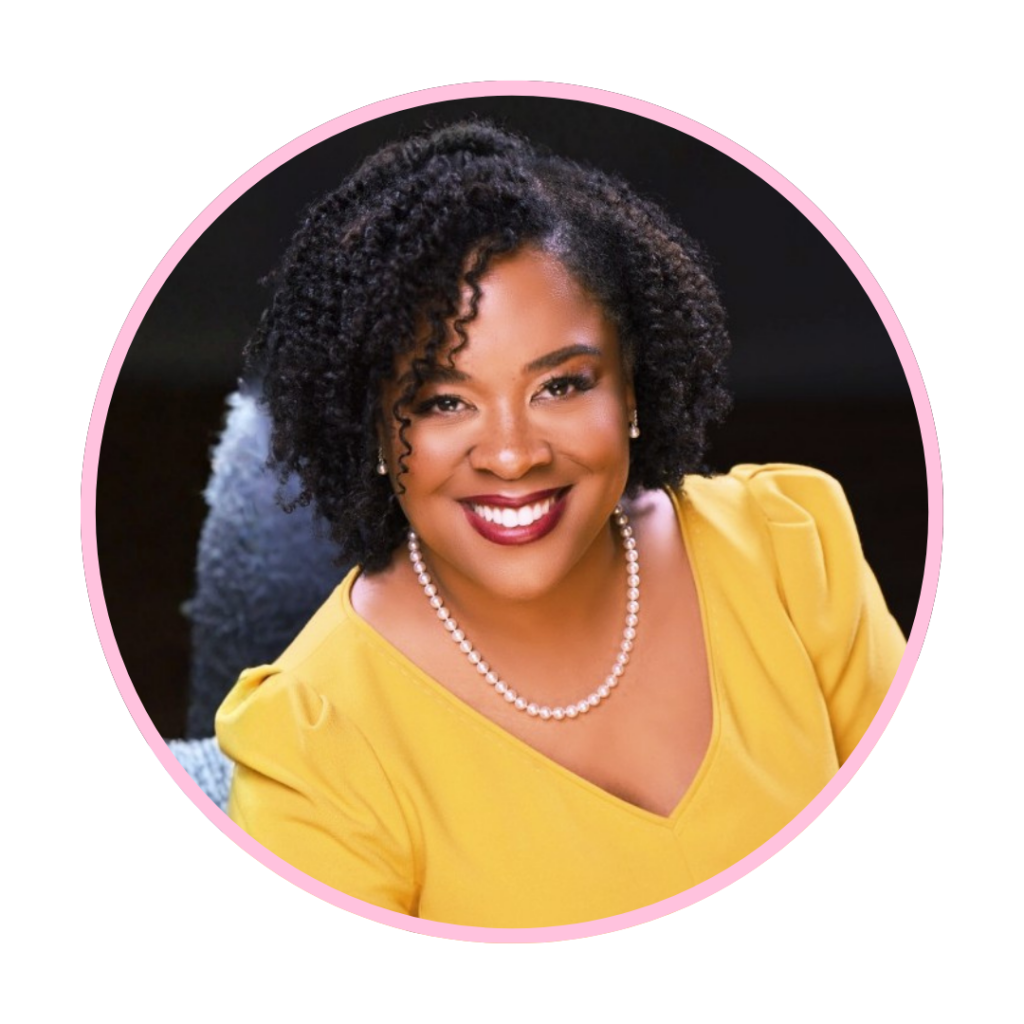
Syeachia Dennis MD, MPH, FAAFP is a 4-generation Oklahoman. She received her B.A. at Wellesley College in psychobiology and obtained her M.D. at Loyola University Stritch School of Medicine. After this she trained in Chicago in the specialty of family medicine. She moved back to Oklahoma in 2009 and started her first job at Morton Comprehensive Health Services as a family physician in North Tulsa. During this time, she obtained her MPH from Johns Hopkins School of Public Health. She was an associate professor at the OU-TU School of Community Medicine from 2013-2023 and spent her career there working in partnership with community and educational leaders on the goal of achieving health equity for those marginalized in society. She is a leader on strategies to increase the knowledge of the structural and social determinants of health negatively impacting populations in Oklahoma. Dr. Dennis is the co-founder of Kindred Health Equity Partners and the Chief Medical Officer of Humana Healthy Horizons of Oklahoma.
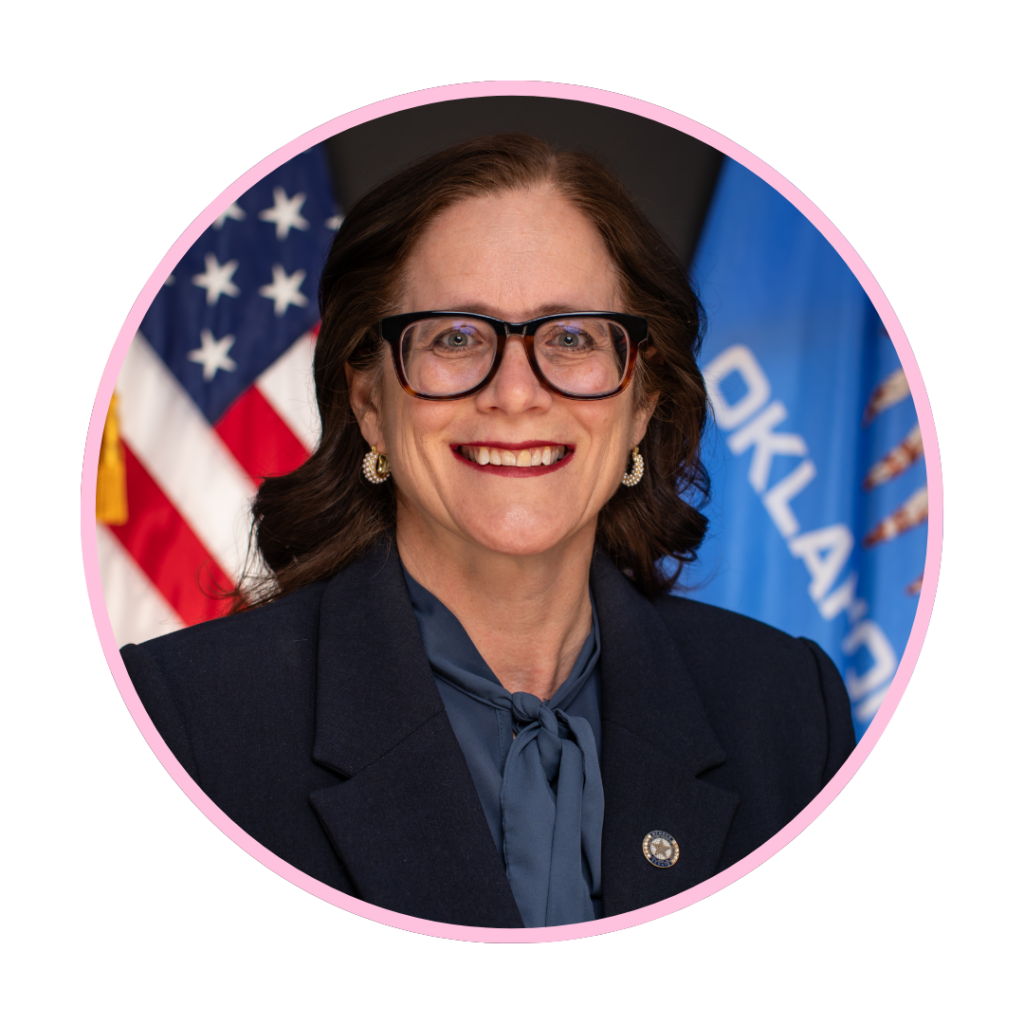
Senator Julia Kirt was elected to the Oklahoma State Senate in 2018 representing District 30 in northwest Oklahoma City and is the Senate Democratic Leader. She is an experienced community leader who has led statewide arts and culture nonprofit organizations for 20 years. As a mom of two, Senator Kirt knows first-hand the value of the investments we make in public education and in an economy that provides opportunity for all families. Senator Kirt was a founding Co-Chair of the Mental Health Caucus and currently serves as Co-chair of the Rethinking Paying Subminimal Wages for Persons with Disabilities Task Force. Leader Kirt’s legislative work is focused on housing, the economy, and making sure Oklahoma is a place where everyone gets a fair shot.
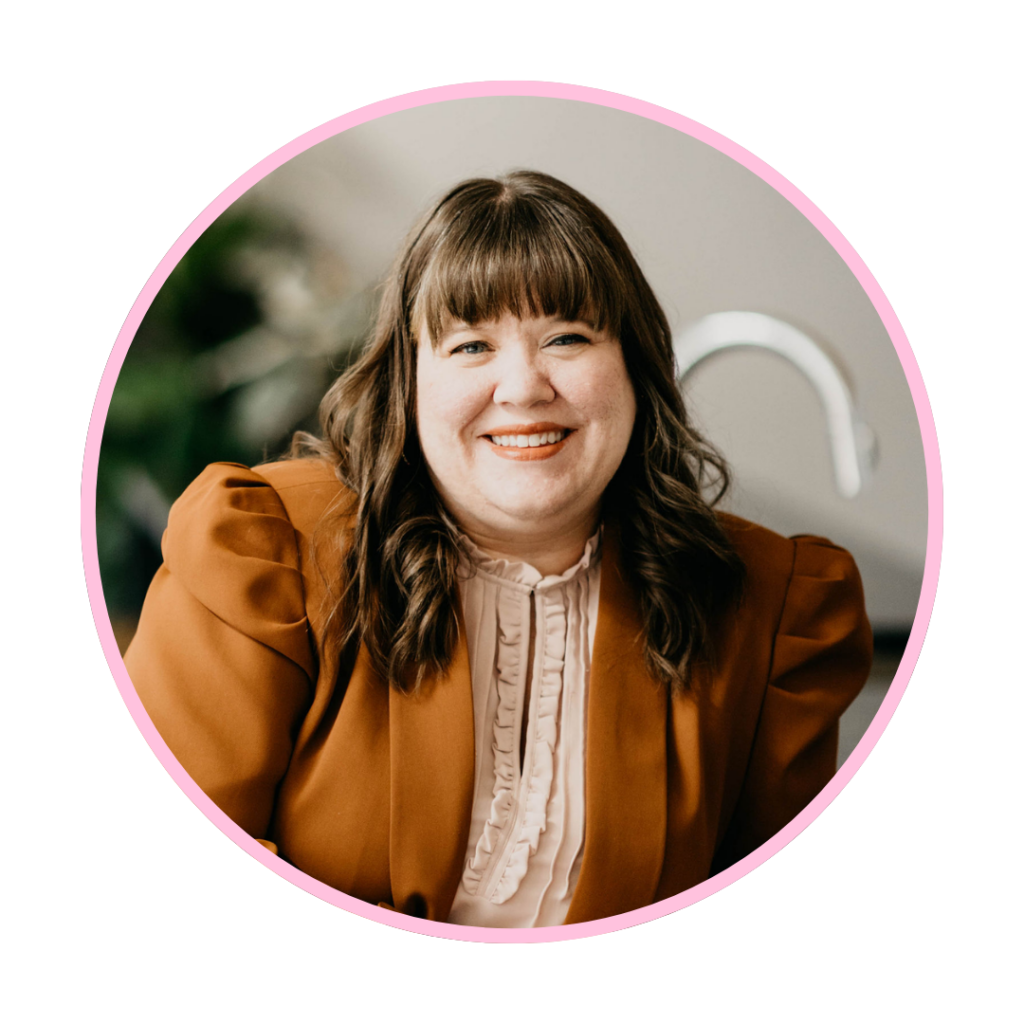
Amy Coldren is the Director of Advocacy and Communication at Mental Health Association Oklahoma, where she advances solutions that prevent eviction, reduce homelessness, and improve health and housing outcomes. She has worked in eviction prevention since 2020, leading a team working in Oklahoma County eviction court during the height of the COVID-19 pandemic before founding and leading Shelterwell, an Oklahoma City-based nonprofit focused on tenant education, landlord-tenant mediation, and eviction data collection. Now a program of Mental Health Association Oklahoma, Shelterwell continues to provide mediation services in and outside of eviction court. Amy collects and analyzes eviction data for Oklahoma County, which Princeton University’s Eviction Lab publishes monthly through its Eviction Tracking System. Through this work, she helps deepen understanding of eviction’s effects on individuals, families, and communities and inform policies and interventions that promote housing stability and well-being.
Trees, plants, and greenspaces are often treated like an amenity in our communities. Planted for beauty, not for benefit. But, our urban forests are also a critical part of community health infrastructure. While nature provides a myriad of community and environmental health benefits, access is not equitable. Neighborhoods with less canopy experience higher rates of asthma, disproportionate exposure to extreme heat, and often have more dire health circumstances. This presentation will explore the concept of tree equity through a public health lens, exploring how urban trees can help address the impacts of extreme heat, benefit air quality, promote healthy lifestyles, and improve the overall livability of our communities. The discussion will also pose an important question: if trees contribute to healthier communities, how can we ensure all residents have access to these benefits?
Through this presentation, attendees will also learn about OKC Beautiful’s efforts in Oklahoma City to help foster canopy and community to create a more livable city.
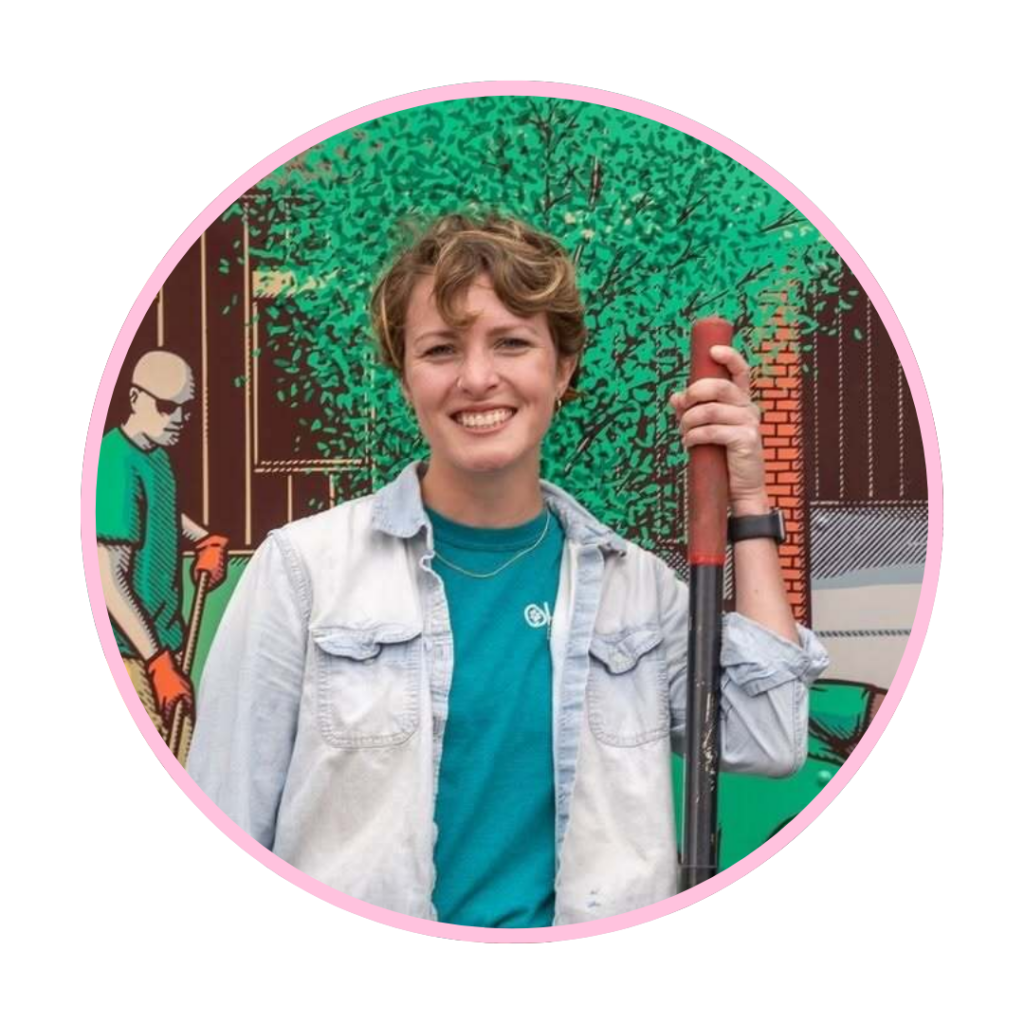
Community development, neighbor-level engagement, and urban sustainability are central to Natalie’s role as Executive Director at OKC Beautiful. Natalie started her career in community development and environmental stewardship as the Projects Coordinator for Keep Oklahoma Beautiful in 2016. In this role, she worked with municipalities and community organizations to make cities and towns across Oklahoma more sustainable. She then went on to work for the City of Edmond’s City Manager’s Office while obtaining a Master of Public Administration focused on urban sustainability and community development. She returned to a focus on beautification and environmental stewardship when joining the OKC Beautiful team in 2021.She is a certified arborist with the International Society of Arboriculture and holds a Master of Public Administration. She is also a member of the Alliance for Community Trees, Oklahoma Recycling Association, International Society of Arboriculture, and other professional affiliations. She is a former EcoRise Environmental Education Ambassador, member of Leadership Oklahoma City LOYAL Class XVI, and serves as a Board Member or volunteer with organizations such as the Plaza District Association, Okies for Monarchs, Oklahoma Compost & Sustainability Association, and Scissortail Park.
Breastfeeding and employment should not be mutually exclusive, yet many women returning to work face significant barriers to needed lactation support in the workplace. This presentation explores the practical, interpersonal, and systemic challenges of lactation in the workplace, highlights opportunities for women’s health advocacy, examines how legal statutes, workplace policies, personnel support, job demands, and access to appropriate pumping accommodations influence a woman’s ability to meet her breastfeeding goals, and aims to move the conversation beyond individual responsibility toward organizational and policy solutions. Attendees will leave with practical strategies for advocacy, communication, and workplace support, as well as a clearer understanding of how equitable lactation accommodations can promote maternal and infant health, reduce disparities, and create healthier, more supportive workplaces for all families.

Maria Meyer is a board certified women’s health nurse practitioner. She currently practices as a WHNP providing comprehensive women’s health services at the largest federally qualified health center system in Oklahoma, Variety Care Health Centers. Maria serves as the board of directors chair and maternal care practices committee chair for the Coalition of Oklahoma Breastfeeding Advocates (COBA). Through the efforts of many, COBA has instituted and supported breastfeeding friendly lactation spaces and policies across Oklahoma- including at Frontier City Amusement park, domestic violence service organizations, and multiple childcare facilities. COBA continues to seek out opportunities to protect, promote, and support breastfeeding to advance maternal, child, and family health across the state. In Maria’s free time, she enjoys traveling, reading, and hiking.
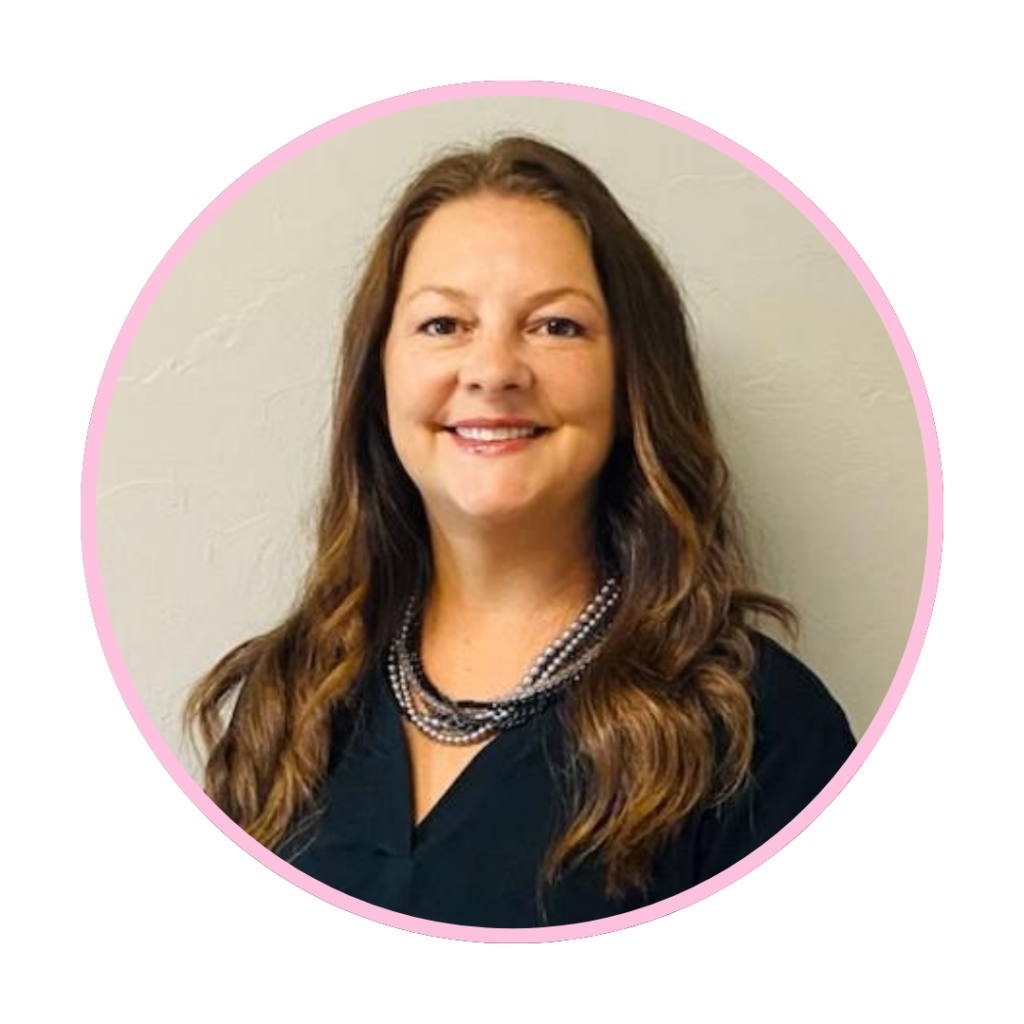
Jamie Nightengale began her career with the US Department of Labor as an investigator with the Wage and Hour Division in the Oklahoma City District Office. Her responsibilities include enforcing federal labor laws, such as the Fair Labor Standards Act, Family & Medical Leave Act, Break Time for Nursing Mothers, and wage provisions of federally funded construction and service contracts. Prior to joining WHD, Jamie served as a Claims Representative and Operations Supervisor for the Social Security Administration. She attended Southwestern Oklahoma State University where she graduated with a Bachelor of Arts in Mass Communication, and a minor in Business Management, followed by a Masters of Public Administration from the University of Oklahoma. Jamie and her husband are raising two wild boys outside of Piedmont. Her time is spent watching her boys play football, baseball and basketball, and she also enjoys reading and vacationing.
Many questions in women’s health arise because someone had an experience they could not ignore. Across research, healthcare, advocacy, education, and program development, many people enter this work for personal reasons however, that reality is minimized or held privately because of vulnerability, credibility concerns, emotional exposure, and expectations of objectivity. While women’s health fields value lived experience through focus groups, advisory boards, and co-design, less attention is given to another layer: What happens when lived experience becomes the reason someone enters the work?
This interactive presentation explores how lived experience shapes research agendas, program design, partnerships, identity, and systems change. Drawing on maternal health and birth trauma, the session examines how becoming a patient can alter the questions we ask, the outcomes we prioritize, the language we use, and what we define as meaningful change. Participants will consider how women’s health fields can move beyond collecting lived experience toward creating spaces where lived experience is supported as expertise, leadership, and a pathway toward healing. The session will examine ethical and emotional complexities, including rigor, reflexivity, professional boundaries, mentorship, and responsibility to recognize lived expertise without requiring individuals to repeatedly disclose or perform their pain.
Attendees will leave with a framework for understanding lived experience as a catalyst for research, program development, and systems change. Ultimately, this session asks: What questions are we missing because we have not listened closely, and how can we remind someone that their pain does not have to be the end of their story?

Salena King, PhD, IMH-E®, CFLE, is a family scientist, maternal health researcher, rural Oklahoman, and first-generation college graduate from Cleveland, OK. She serves as Project Manager for Implementation and Translational Science in the Center for Rural Health at the Oklahoma State University Center for Health Sciences. Her work spans qualitative research, mixed-methods evaluation, and implementation science, with an emphasis on making complex findings accessible and meaningful to diverse audiences. Her longstanding focus on families, attachment, and early development took on new urgency after her traumatic birth, significant postpartum complications, and her daughter’s stay in the NICU. Those experiences shape her research and commitment to ensuring women are heard, believed, and supported beyond birth. Dr. King’s commitment to ensuring women’s experiences inform research and care also guides her decision to share her own. As a patient partner with the Oklahoma Perinatal Quality Improvement Collaborative, she shares her birth story at Oklahoma Perinatal Nurses Forum bootcamps to help nurses understand the lasting impact of birth experiences on families. Dr. King proudly serves as President of the Oklahoma Council on Family Relations and on the Board of Directors of the Oklahoma Association for Infant Mental Health.
I am a regular woman with no medical degrees or medical background. I’ve never had a desire to be any sort of medical professional; I thought that path was too advanced for me. Then one day, I woke up with a yeast infection, then a bacterial infection, then a UTI, then a yeast infection, oscillating back and forth for nearly a year. I saw every doctor I could see. I fought insurance every step of the way. I took pill after pill and cream after cream. Eventually, I was at the end of my rope and doctors didn’t know what to do for me, so I hit the books. I dug deep into medical studies, I read about other people’s stories, I tried to gather all the information I could and I’d found it: Mycoplasma and Ureaplasma. My doctors couldn’t test me, so I had to get creative. Eventually, I was cured, my biome was balanced, and I began telling my story. I told it to anyone who would listen, just in case it helped any other person. After I started speaking out, 3 different women told me they did more research and ureaplasma was also causing issues for them. I have done the research, made it digestable, and I hope to help just one more person. This session is to hopefully provide answers, commiserate about the difficulty of advocating for yourself, and celebrate the wins when we have them.
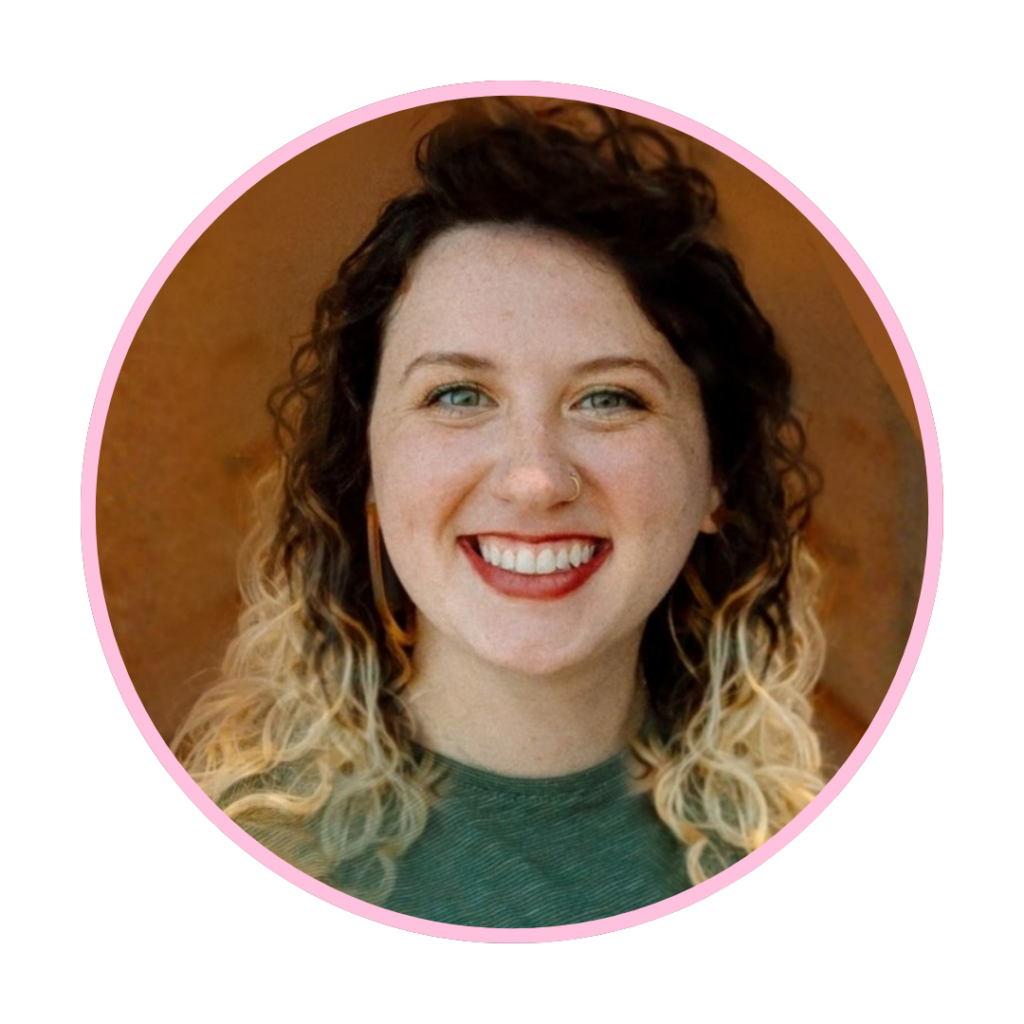
Paige Palestini is a mechanical engineer by trade, not a medical professional. Her journey into women’s health began not through a career in medicine, but through necessity. When her healthcare journey led her to Mycoplasma and Ureaplasma, Paige found herself navigating confusing information, testing, treatment, and plenty of unanswered questions. At one point, she turned to at-home testing and brought her results to her doctor in search of a cure. What began as a deeply personal and difficult experience became a lesson in patient advocacy, persistence, and the importance of understanding your own body. Paige’s goal is simple: to help others feel less alone, better prepared to advocate for themselves, and more confident navigating difficult healthcare challenges. By openly sharing what she experienced (the good, the bad, and the deeply frustrating), she hopes to turn a painful chapter of her life into something useful for someone else.
Although maternal mortality is decreasing globally, it continues to remain high in the U.S. despite the nation spending more money on childbirth than other high-resource nations. Maternal mortality in the U.S. was 17.9 (pregnancy-related deaths per 100,000 live births) for all women versus 10 or less in other high-income countries. Oklahoma maternal mortality rate remains alarmingly high at 29.6 deaths per 100,000 births.
Doula care has emerged as a community-based approach to improve birth outcomes, including maternal mortality. Research demonstrates that doula care reduces cesarean births and improves maternal mental health, contributing factors to maternal mortality. However, access to doula care depends in part on sustainable reimbursement mechanisms. Payment for doula care varies widely, creating a strain on the doula workforce. Although Oklahoma Medicaid (SoonerCare) covers doula services, reimbursement rates remain low and may create challenges for doulas seeking to provide this care as a viable profession.
To better understand these challenges, a research team from the University of Oklahoma Fran and Earl Ziegler College of Nursing conducted semi-structed interviews with Oklahoma doulas to explore their experiences. Qualitative data analysis found several themes. Key themes will be discussed. This presentation will share the lessons learned from Oklahoma doulas and discuss implications for maternal health policy, strengthen the doula workforce, and improving access to community-based maternal support services across the state.
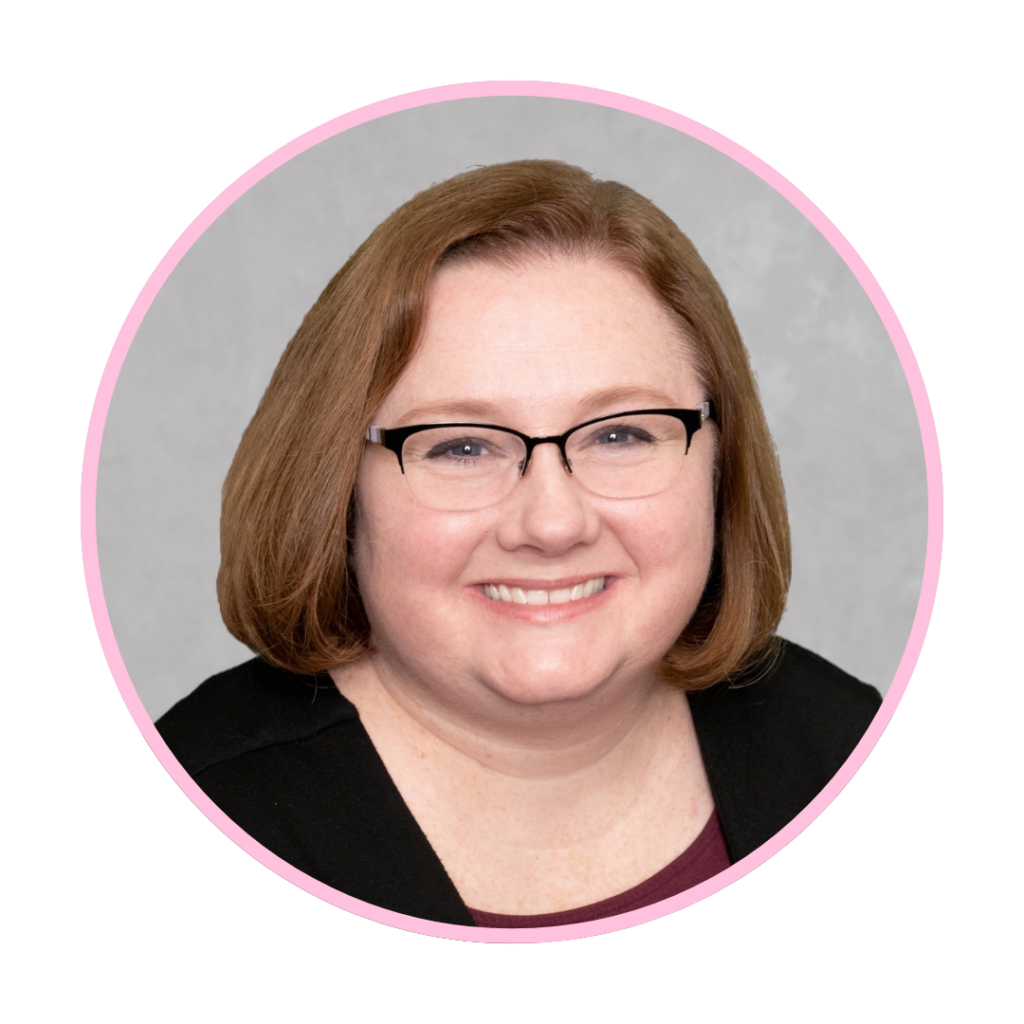
Dr. Konrad is an assistant professor at the University of Oklahoma Fran and Earl Ziegler College of Nursing. A long time labor nurse and Lamaze Certified Childbirth Educator, her research and advocacy work focus on community support to address maternal mortality. She teaches nursing from the baccalaureate to the PhD.
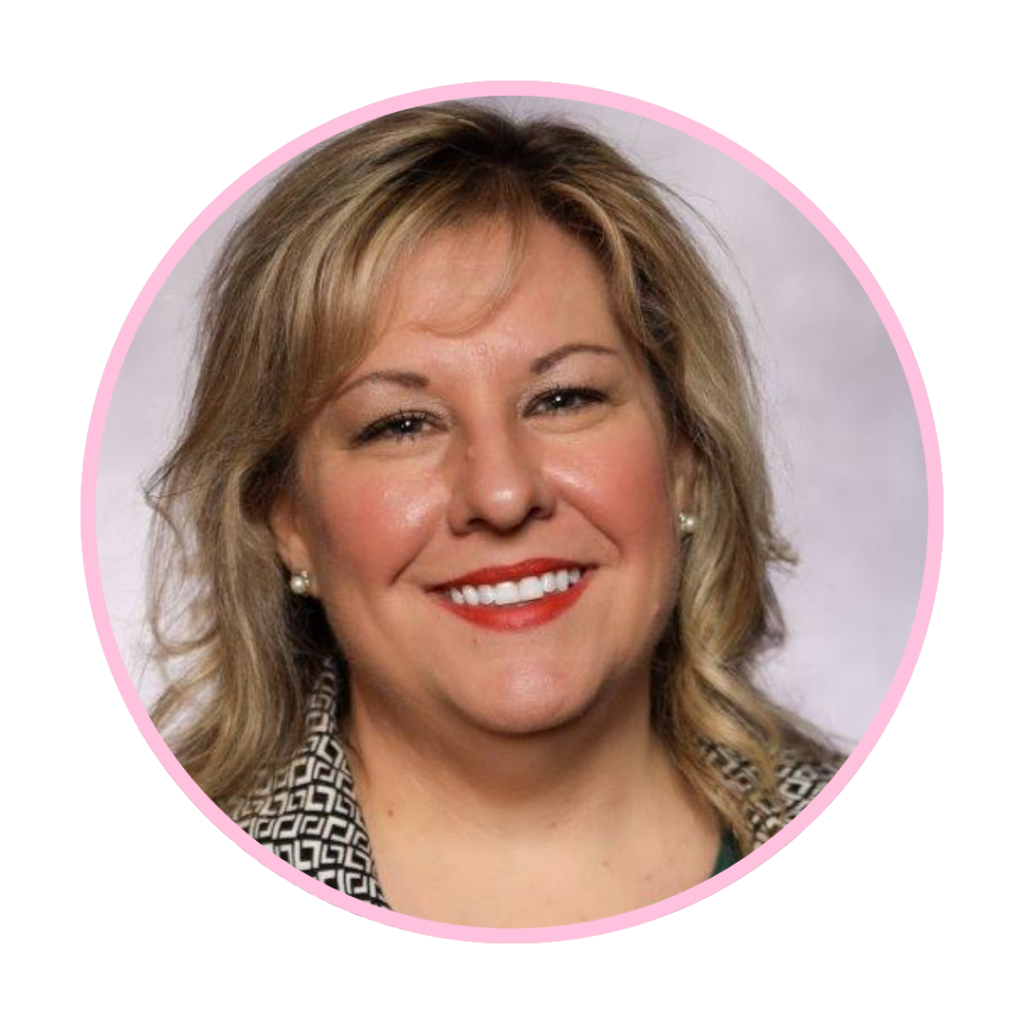
Dr. Jennifer Heck, PhD, RNC-NIC, CNE, PMH-C is an associate professor in the Fran and Earl Ziegler College of Nursing at The University of Oklahoma Health Sciences. Dr. Heck has been an academician since 2006 and her program of research broadly concerns Indigenous maternal health. Specifically, she investigates the perinatal mental health of Indigenous women and explores how it relates to maternal mortality. In 2020, Dr. Heck was selected as one of two fellows for the inaugural editorial fellowship of MCN, The American Journal of Maternal-Child Nursing. More recently, she was selected as a post-doctoral fellow for the inaugural cohort of the Indigenous Nursing Research Enhancement (INRE) Fellowship at the University of Texas at Austin School of Nursing.
Women’s health extends far beyond clinical care—it is deeply influenced by the environments in which women live, work, lead, and serve. As women comprise much of the public health, healthcare, education, nonprofit, and caregiving workforce, the social dynamics within organizations have become a critical yet often overlooked social determinant of health. This interactive session explores how workplace culture, psychological safety, leadership behaviors, belonging, burnout, and employee engagement directly affect women’s physical, emotional, and mental well-being while influencing workforce retention, organizational effectiveness, and ultimately the health of Oklahoma communities. Drawing upon lessons learned through workforce development initiatives at the Tulsa Health Department, participants will examine how leaders can intentionally cultivate healthy workplace ecosystems that reduce chronic stress, strengthen resilience, and improve employee experience. The session will connect organizational culture with broader public health outcomes by demonstrating how healthy employees create healthier communities. Participants will also explore practical strategies for building cultures where women can thrive across every stage of their careers—from early professionals to executive leaders—while recognizing the unique pressures many women experience as caregivers, leaders, and community advocates. By reframing workplace culture as a public health strategy, attendees will leave with innovative approaches for creating organizational environments that support both workforce well-being and healthier populations throughout Oklahoma.
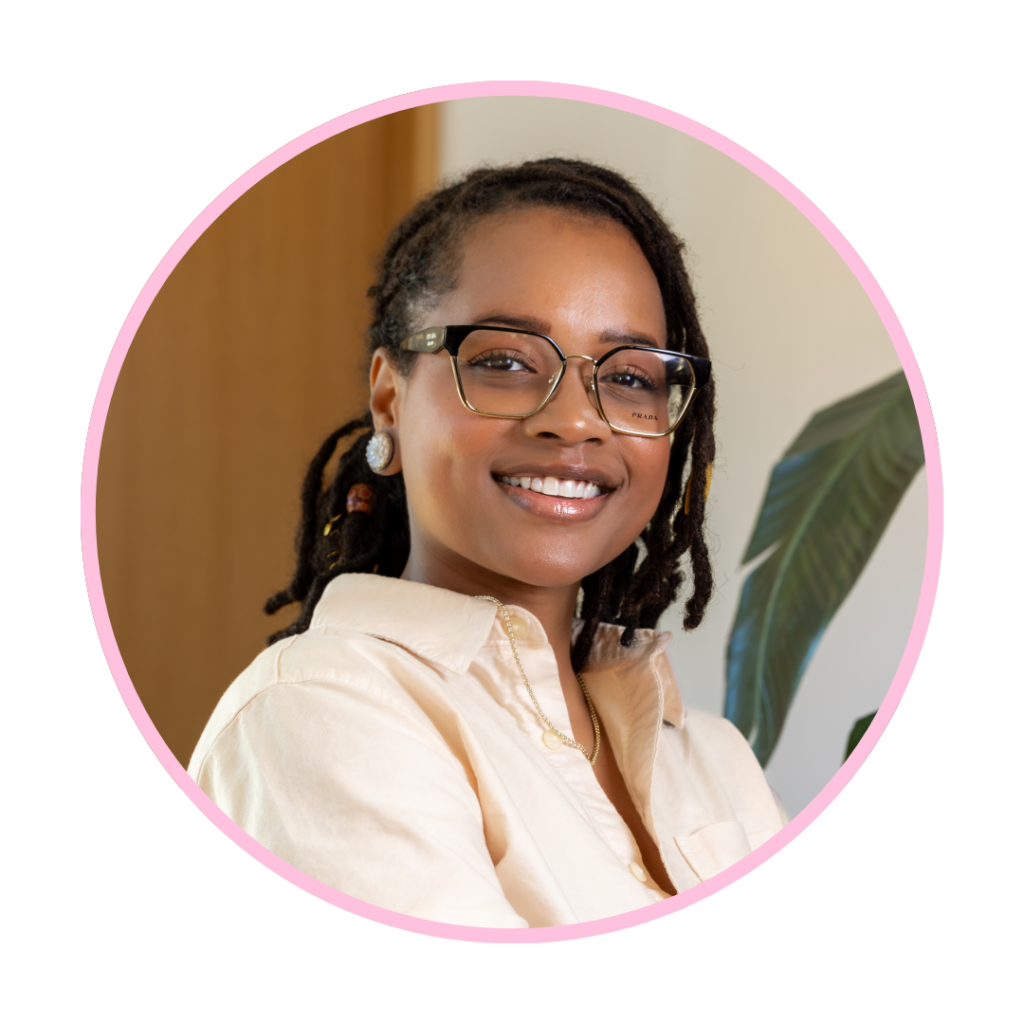
Mia Woodson is a doula, U.S. Army veteran, mother of four, and founder of MIA — Maternal Integrity Assistant. Inspired by her own birth experiences and work supporting families, she created MIA to help doulas turn voice notes into structured documentation and reimbursement-ready claim information. Her work focuses on reducing administrative barriers so doulas can sustain their practices and remain present for the families they serve.
10:50 am – 11:00 am
11:00 am – 11:30 am | Ballroom (265)
11:30 am – 12:20 pm
Sisters and co-founders of Tuya Gadu Productions, Brit and Taylor Hensel will take to stage to explore how stories can help inform health policy and systems change. Attendees will enjoy a preview of their upcoming film, What She Carries, a feature documentary exploring traditional birthing practices in Indigenous communities, followed by a Q&A with the filmmakers.
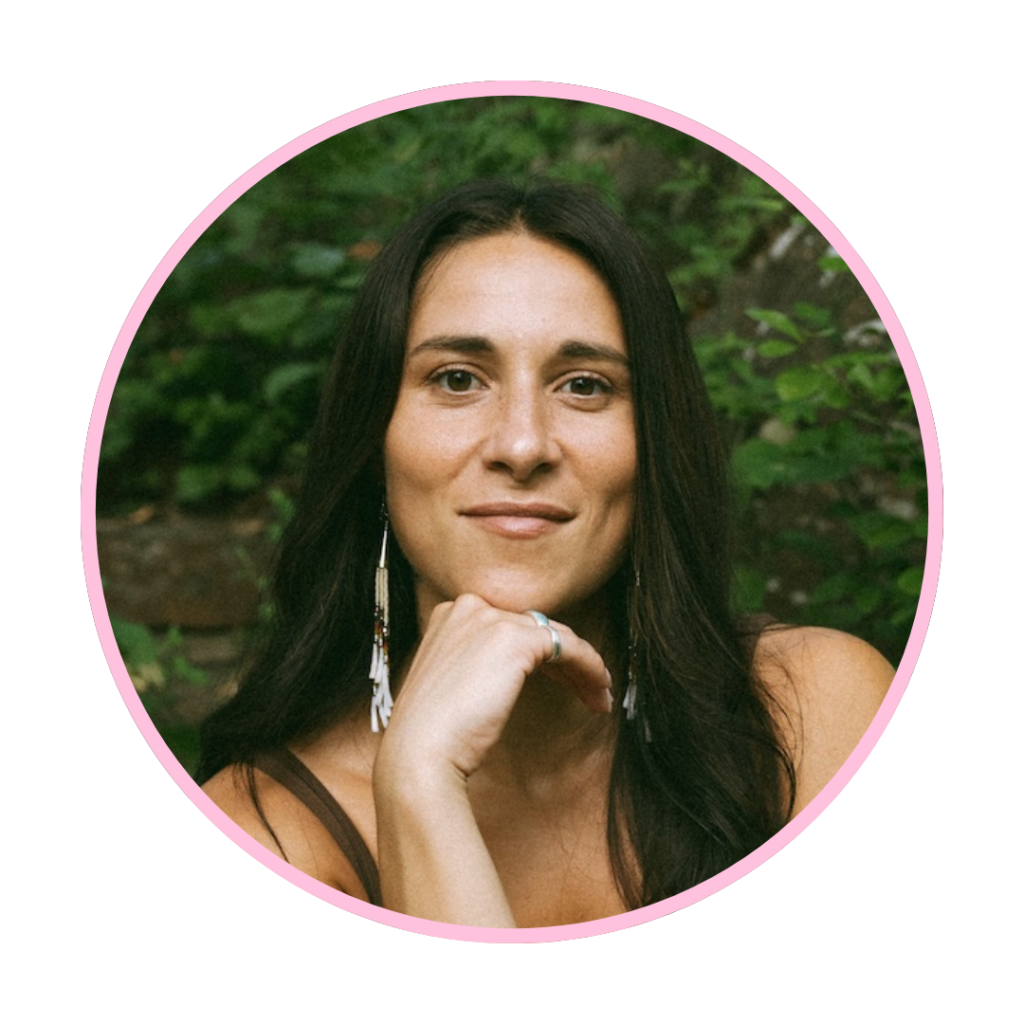
Digvniha Brit Hensel is an Oklahoma-based director and award-winning filmmaker whose work has been featured at Sundance, imagineNATIVE, Hot Docs, and Full Frame. A citizen of the Cherokee Nation, she is the first female enrolled member of the tribe to direct a film selected by the Sundance Film Festival.
In 2022, her short film ᎤᏕᏲᏅ (What They’ve Been Taught) premiered at the Sundance Film Festival, received a nomination for Best Short Documentary at the 38th IDA Documentary Awards, and was selected for the inaugural L.A. Times Op-Docs.
Through Tuya Gadu Productions, the company she co-founded with her sister and fellow filmmaker Taylor Hensel, Brit premiered her first narrative film, Thin Places in 2025. The film premiered at imagineNATIVE in June 2025, where it won Best Performance in a Short Film, and later received Best Oklahoma Short Film at deadCenter. She is currently in production on her first feature documentary, What She Carries, produced through Tuya Gadu Productions in partnership with PageBoy Productions.
In 2021, Brit received four regional Emmy® Awards for her work as a producer and director on the documentary series Osiyo: Voices of the Cherokee People. She also served as second assistant camera (2nd AC) on the Emmy-nominated FX series Reservation Dogs.
In recognition of her contributions to film and storytelling, Brit was honored with the 2026 Princess Grace Award in Film, named 2022 Tulsan of the Year by Tulsa World Magazine, and selected as a 2021–2023 Tulsa Artist Fellow.
Brit was an instructor at the Cherokee Nation Film Institute, helping cultivate the next generation of Indigenous filmmakers. A former cultural specialist for the Cherokee Nation of Oklahoma, Brit also co-founded Rez Dog Resources, an advocacy collective supporting animal welfare and rescue efforts across Oklahoma’s tribal and rural communities.
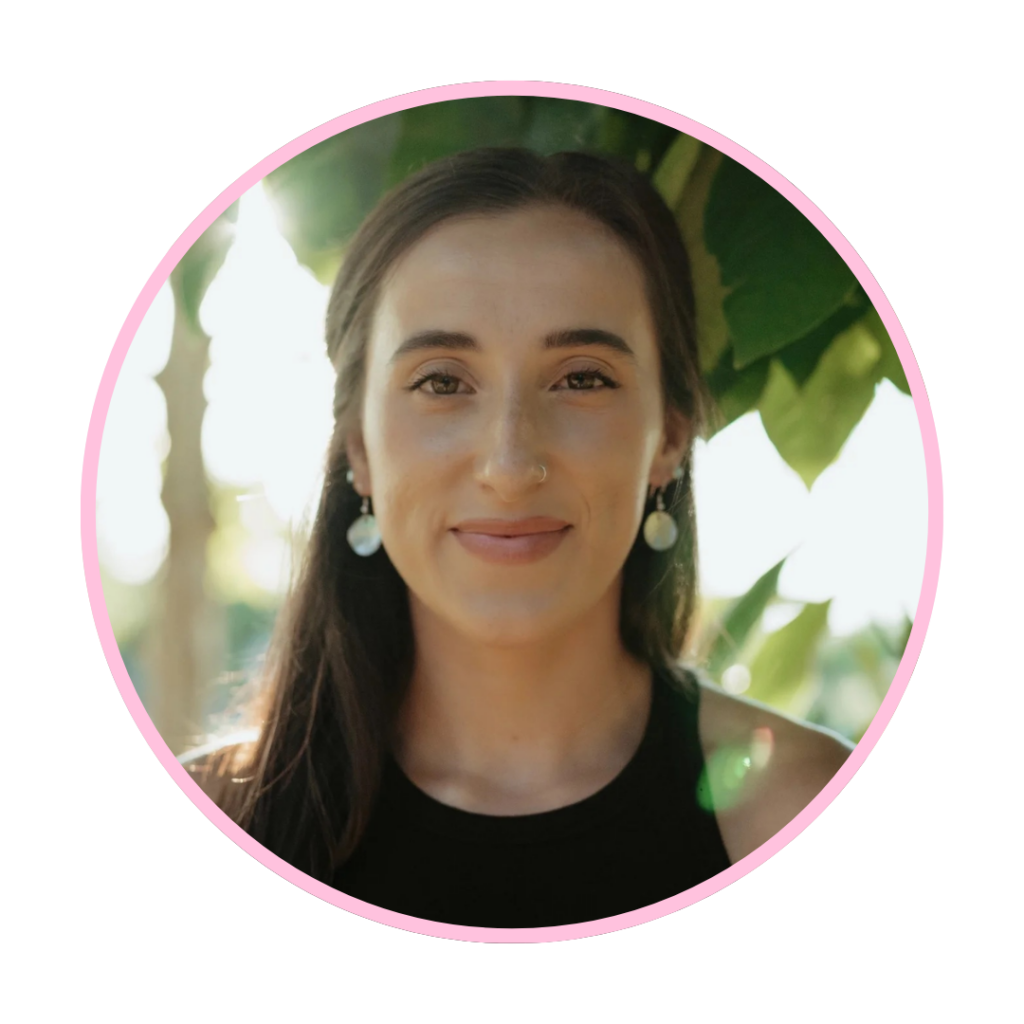
Taylor Hensel is a mother, an award-winning producer, director, and writer from Oklahoma and a citizen of the Cherokee Nation. Her work has screened at major festivals worldwide, including Sundance, and has streamed internationally, bringing Indigenous stories to global audiences. She is Co-Director of Tuya Gadu Productions and Rez Dog Resources, Taylor was also one of the very first instructors for the groundbreaking Cherokee Film Institute, helping cultivate the next generation of Indigenous filmmakers.
Her producing credits include Bad River (Peacock), Thin Places, and the Emmy- and Anthem Award-winning Reciprocity Project series. She has also worked the camera crew for Reservation Dogs Seasons 2 and 3. Her work has been recognized with an Oscar shortlist for Best Documentary Short Subject (ᎤᏕᏲᏅ), 2024 Critics Choice nominations for Best Narration, Best Historical Documentary, and Best Political Documentary, and a 2024 IDA nomination for Best Short Form Documentary. Taylor was named a 2023 Sundance Native Labs Artist in Residence, a 2022 IllumiNative + Netflix Producer Fellow, and a 2025 recipient of the Creative Artist Fund, continuing to elevate Indigenous storytelling on a global stage.
She is currently the lead producer of What She Carries, a feature documentary exploring traditional birthing practices in Indigenous communities.
12:20 pm – 12:30 pm
12:30 pm – 1:20 pm
Tulsa built Black Wall Street, lost it in the 1921 Race Massacre, and rebuilt Greenwood. Queens Village Tulsa launched here in 2021 to create space for Black women to rest, relax, and repower, in a community with long memory and good reason for caution. Our gatherings drew participation, but few pregnant Black mothers. We had assumed events made for Black women would reach all Black women. They did not. What changed us was not a new strategy. It was listening. Listening through surveys, conversations at every gathering, and a Community Advisory Board of women from our community. Then came the slower work of acting on what we heard. Some of what we heard was never spoken. No one asked us for a baby shower. We saw pregnant Black women going unsupported and knew what would reach them, because we have been them. Our baby showers are culturally relevant, centering Black experience and culture. Other times the community was explicit. Participants asked for ways to contribute, so we created Village Aunties, volunteer ambassadors from the community itself. Queens Village Corner took longest. Attempts to launch at clinics and other sites were turned down, and each no sharpened the model. QVC now partners with clinical and community settings, offering non-clinical, relationship-based support for Black pregnant and postpartum mothers. Rather than asking mothers to come to us, we bring the village into the rooms where care happens. This session shows how listening becomes program design, and what it costs to act on it.
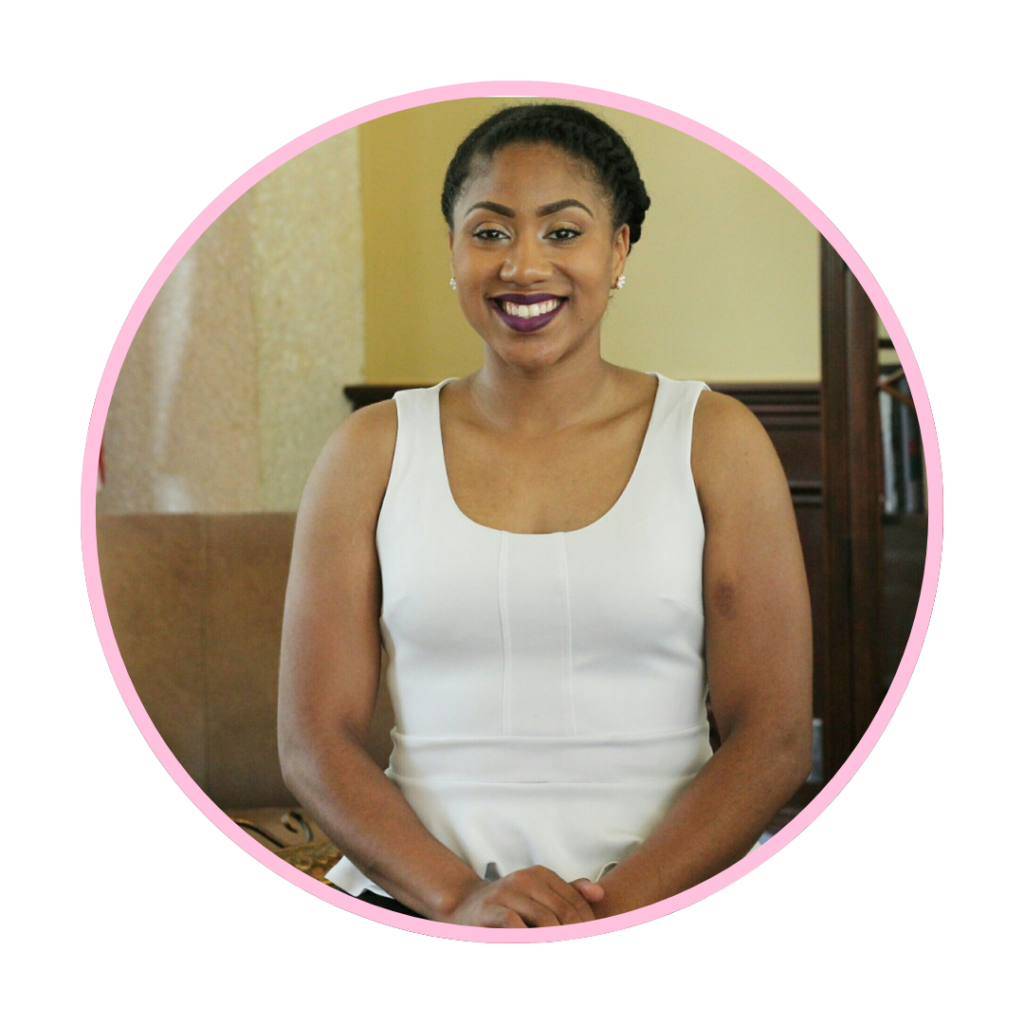
DeShara V is a mother of three, a community-based doula, and Program Coordinator with Queens Village. Rooted in her own experiences as a Black mother, she supports families through pregnancy, birth, and early parenthood with a focus on healing, joy, and strong support networks.
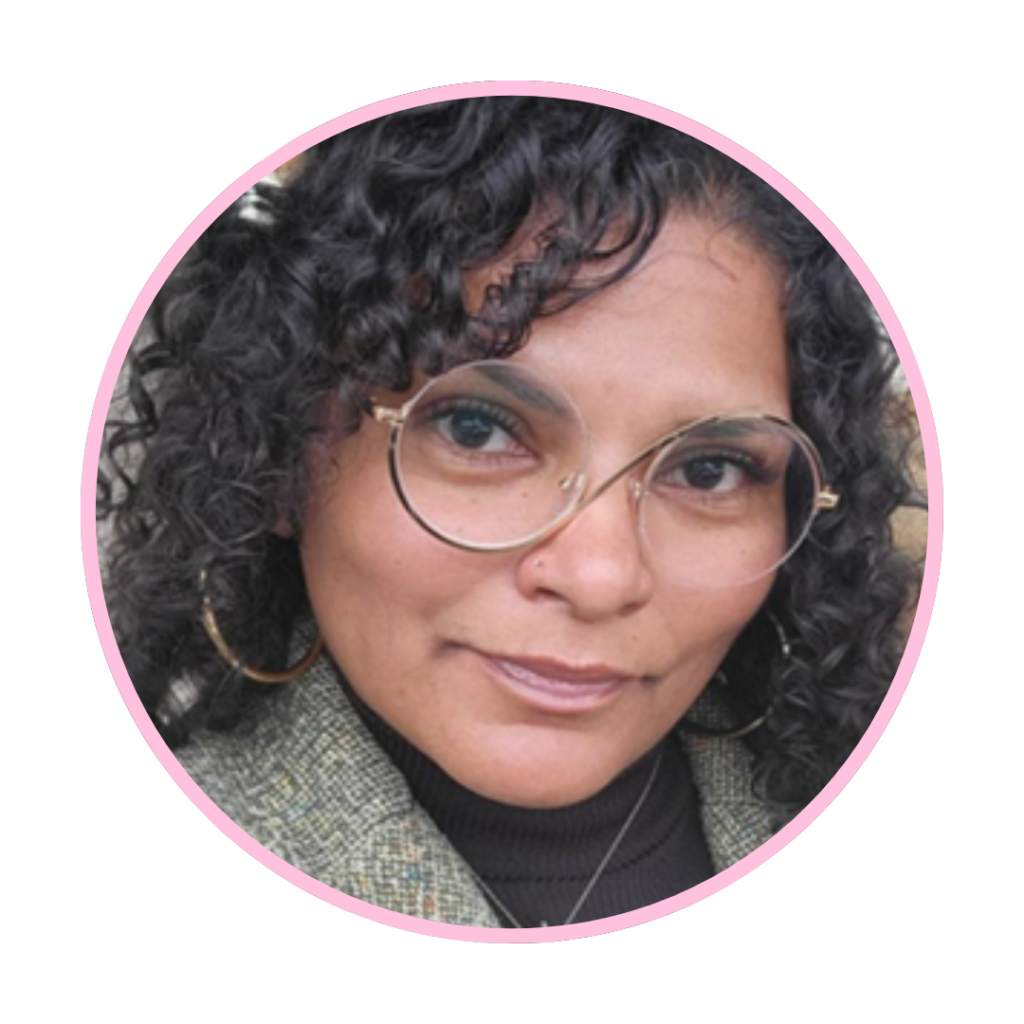
Cynthia Soto-Render, M.S., CPE is a Ph.D. student in Social Foundations of Education at Oklahoma State University and a Program Specialist with Queens’ Village at the Oklahoma Birth Equity Initiative in Tulsa. She is also the founder of Restorative Mindset and Eve’s Heart Foundation. With over 15 years of experience across early childhood education, K–12 schools, and community settings, Cynthia has served as a teacher, director of social-emotional development, certified parent educator, and scholar-practitioner. Her work centers on reflection as a moral and relational practice, power-shifting in educational and civic spaces, and arts-based, community-engaged research. Her recent work includes facilitating community-based research focused on Black reproductive health equity in Tulsa and contributing to participatory learning initiatives that center care, democracy, and lived experience. Above all, Cynthia is a mother of three and is committed to reflection, care, solidarity, and love as foundations for collective growth.
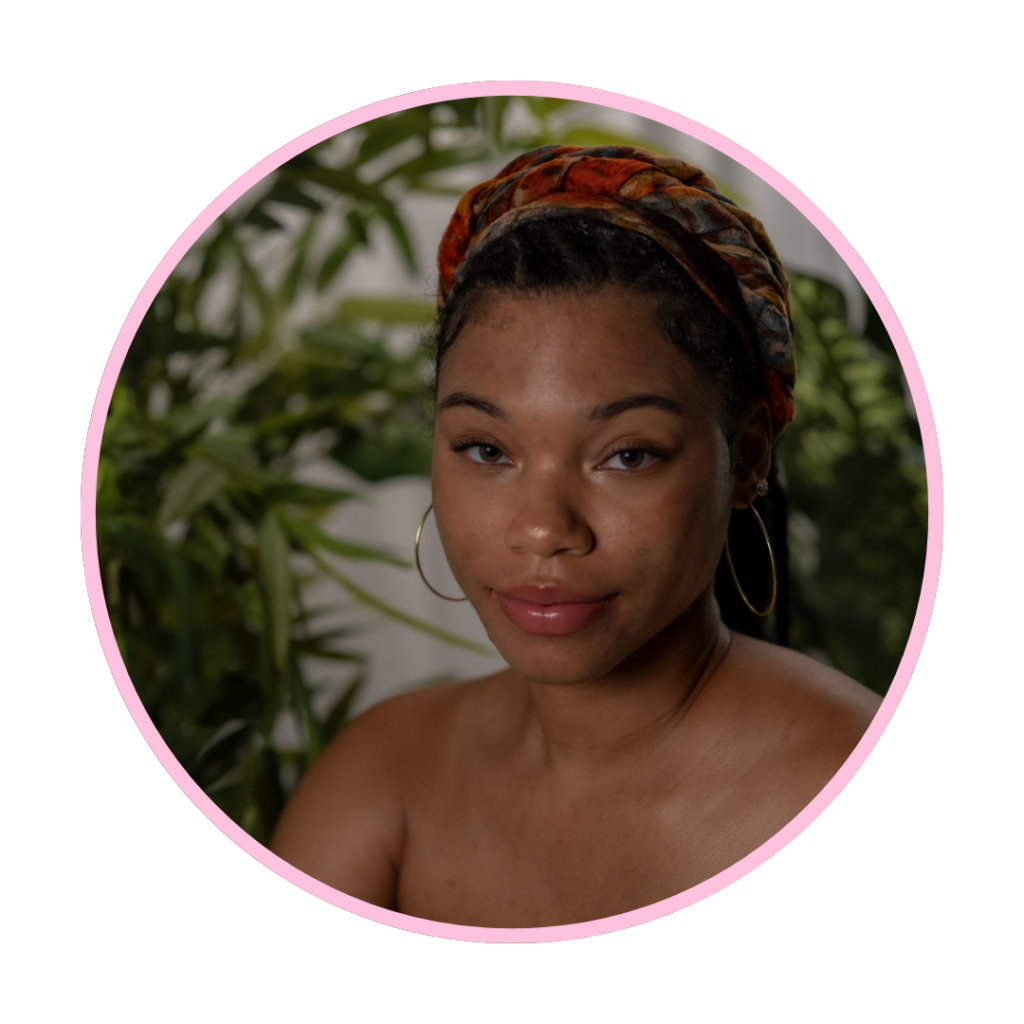
Tasia Holt-Flint holds a bachelor’s degree in Psychology from Oklahoma State University and serves as a community-based doula with the Oklahoma Birth Equity Initiative, supporting Black women and teens. She is also a Village Auntie volunteer and liaison with Queen’s Village Tulsa. Passionate about holistic wellness, mental health awareness, and advocacy, Tasia is dedicated to creating spaces where Black women and families feel seen, heard, nurtured, and supported. Through her work, she hopes to contribute to the healing of her community and the nation. Outside of her work, she enjoys dancing, exploring new hobbies, spending time in nature, and caring for her two sons.
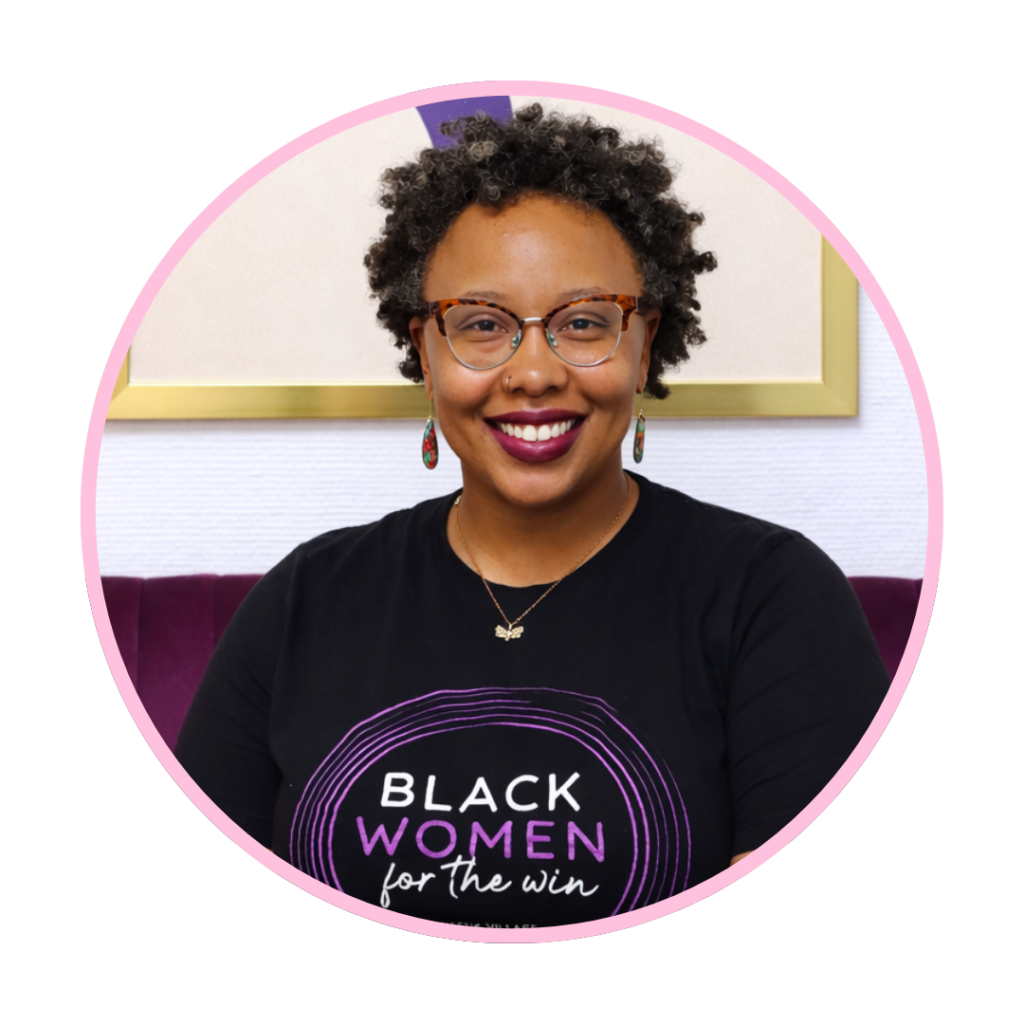
Nechelle Bradley is a dedicated community-based doula and Senior Community Advisory Board member for Queens Village Tulsa who is deeply committed to supporting and advocating for mothers and families. As an Exercise Science major and creative entrepreneur, she brings both knowledge and heart to the work of improving maternal health outcomes in the community. Through her doula work, Nechelle provides guidance, encouragement, and support to families during pregnancy, birth, and beyond. Her leadership and lived experience help ensure that community voices remain at the center of Queens Village Tulsa’s mission.
Intimate partner violence is more than a criminal justice issue, it is a significant threat to women’s health, safety, and well-being. The Lethality Assessment Protocol (LAP) has been a critical part of Oklahoma’s response to intimate partner violence for nearly twelve years, helping law enforcement identify victims at the highest risk of homicide and connect them with potentially life-saving resources.
This session will examine intimate partner violence through a women’s health lens, exploring its impact on individuals, families, and communities. Participants will learn about the history and evolution of LAP in Oklahoma, its statutory foundation, and how the protocol helps identify risk and create opportunities for early intervention.
The session will also highlight the importance of collaboration across systems. Healthcare professionals, mental health providers, victim service providers, law enforcement, educators, first responders, and other professionals may encounter victims at critical points in their lives. Recognizing the signs of intimate partner violence, and understanding how to respond, can be life-saving. Ultimately, this session will challenge participants to view IPV as a health and safety issue that requires a coordinated community response and to consider how each of us can play a role in identifying risk, connecting victims to resources, and preventing violence before it becomes fatal.
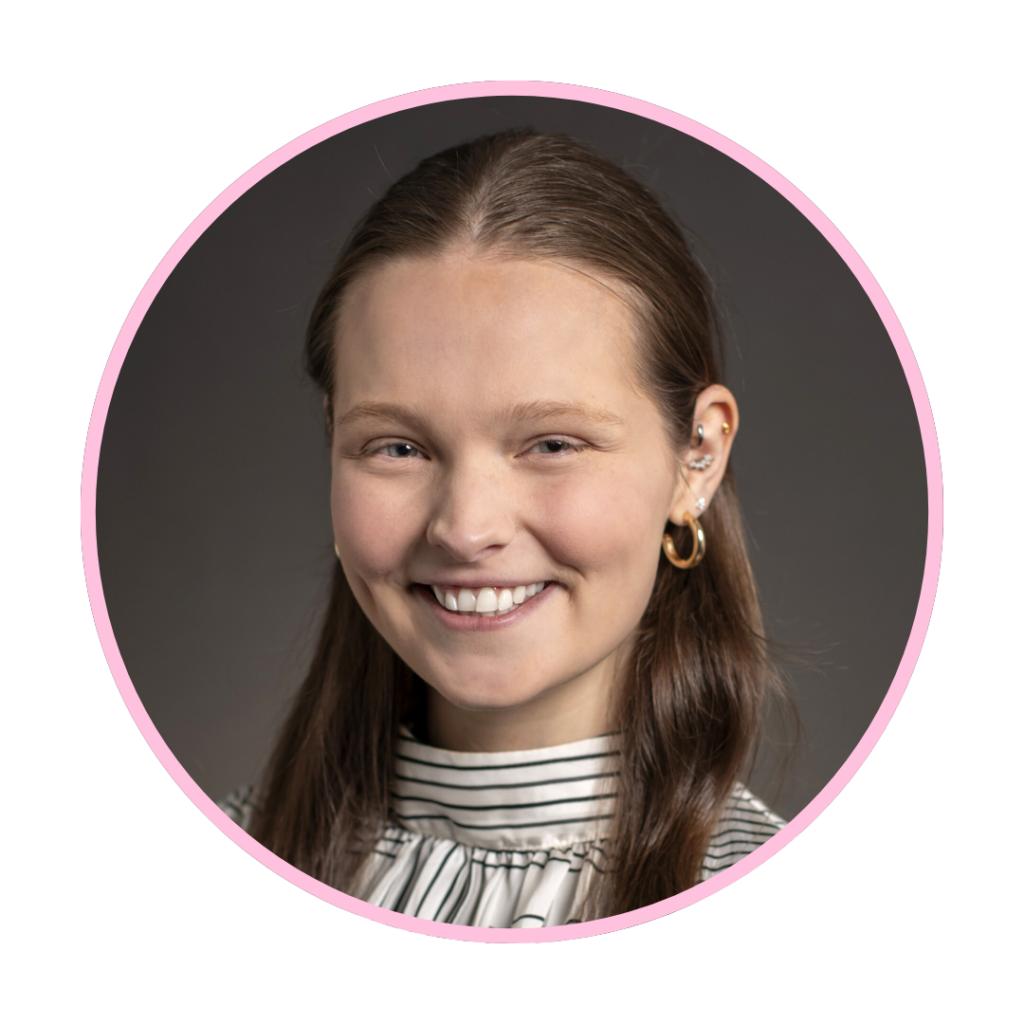
Jaiden Balthrop-Russell is a Lethality Assessment Protocol (LAP) Coordinator with the Office of the Oklahoma Attorney General, where she leads statewide training, agency onboarding, and technical support to expand LAP implementation among law enforcement and domestic violence providers. Prior to joining the Attorney General’s Office, Jaiden served as a Grant Programs Specialist with the Oklahoma District Attorneys Council, managing federal grants supporting violence prevention and victim services. In this role, she supported grant development, compliance monitoring, and statewide strategic planning efforts. Jaiden earned her degree in Management and Social Entrepreneurship from Oklahoma Baptist University, where she founded Normalize No, a student-led sexual assault awareness organization. She has also served as a legislative intern at the Oklahoma State Capitol, where she gained experience in legislative research, policy analysis, and constituent services. This experience strengthened her understanding of how policy decisions can be leveraged to create meaningful, systems-level change. In addition, Jaiden serves as a volunteer hotline advocate with the Rape, Abuse & Incest National Network and an Advisory Council Member for the Oklahoma Commission on the Status of Women. Through her work in victim advocacy, public policy, and statewide systems change, Jaiden remains committed to building trauma-informed responses that center survivor safety, strengthen communities, and create lasting change.
Violence against women is often treated as a criminal justice or social service issue. But it is also a women’s health issue, with consequences that reach far beyond immediate physical injury.
This session will examine domestic and sexual violence through a public health lens, exploring how violence intersects with mental health, reproductive health, food and housing insecurity, economic stability, access to health care, and other factors that shape women’s health and well-being. It will also look at the systems women encounter when seeking help and what happens when health care, victim services, social services, and community resources address individual needs without recognizing how deeply connected those needs may be.
Drawing from more than two decades of work in family violence, child advocacy, prevention, and public health, the session will connect individual experiences to the larger systems and conditions that influence health outcomes. Participants will be challenged to consider where violence may already be showing up in their own work, even when it is not identified as the presenting issue, and how a broader understanding of violence can strengthen our response to women’s health across Oklahoma.
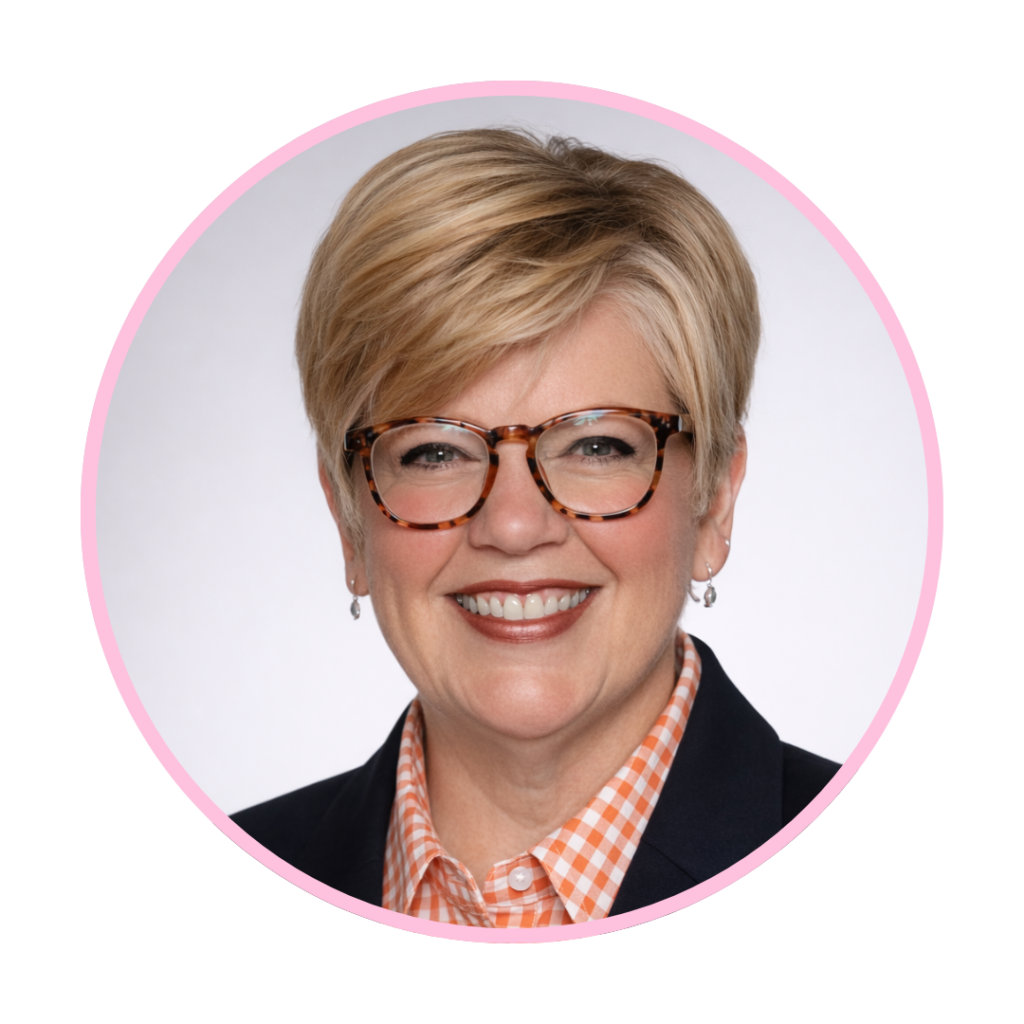
Brandi White, MA, CPH is the CEO of Leadership Women. Her career as a nonprofit and public health leader has focused on strengthening systems that support women, families, and communities. Prior to joining Leadership Women, she served as CEO of Wings of Hope Family Crisis Services, overseeing comprehensive domestic violence, sexual assault, stalking, and human trafficking services. Her work has included public policy, multidisciplinary responses to violence, and initiatives addressing the intersections between violence, health, and community well-being.
The IndexUs report (2019), which relays research findings from the National Black Women’s Health Study through Boston University, highlights that too often Black women’s health is defined by those who exist outside the sphere of Black women’s lived realities, and points to a need for researchers to design studies that allow women to define health and healing for themselves. During this presentation, I will discuss my (prospective) Black feminist community-based research project conducted in partnership with a holistic women’s wellness space in Moore, Oklahoma that uplifts the ways in which Black women are doing well for themselves and supporting their own paths toward wellness. In my presentation, I will highlight the ways in which my project answers:
1. How are Black women patrons of a women-centered wellness space defining and describing their overall health status?
2. What is the impact of intentionally-curated wellness programming on well-being of Black women patrons at a women-centered wellness space in Oklahoma as defined by Black women themselves?
3. How does a curated sister circle at a women’s wellness space in Oklahoma influence attitudes about health behaviors?
This session will unearth a nuanced perspective of women’s health in Oklahoma, particularly Black women’s health, that is not solely focused on conventional women’s healthcare and gynecological care, and emphasizes the influence of spirituality, community and belonging in the treatment or prevention of diseases
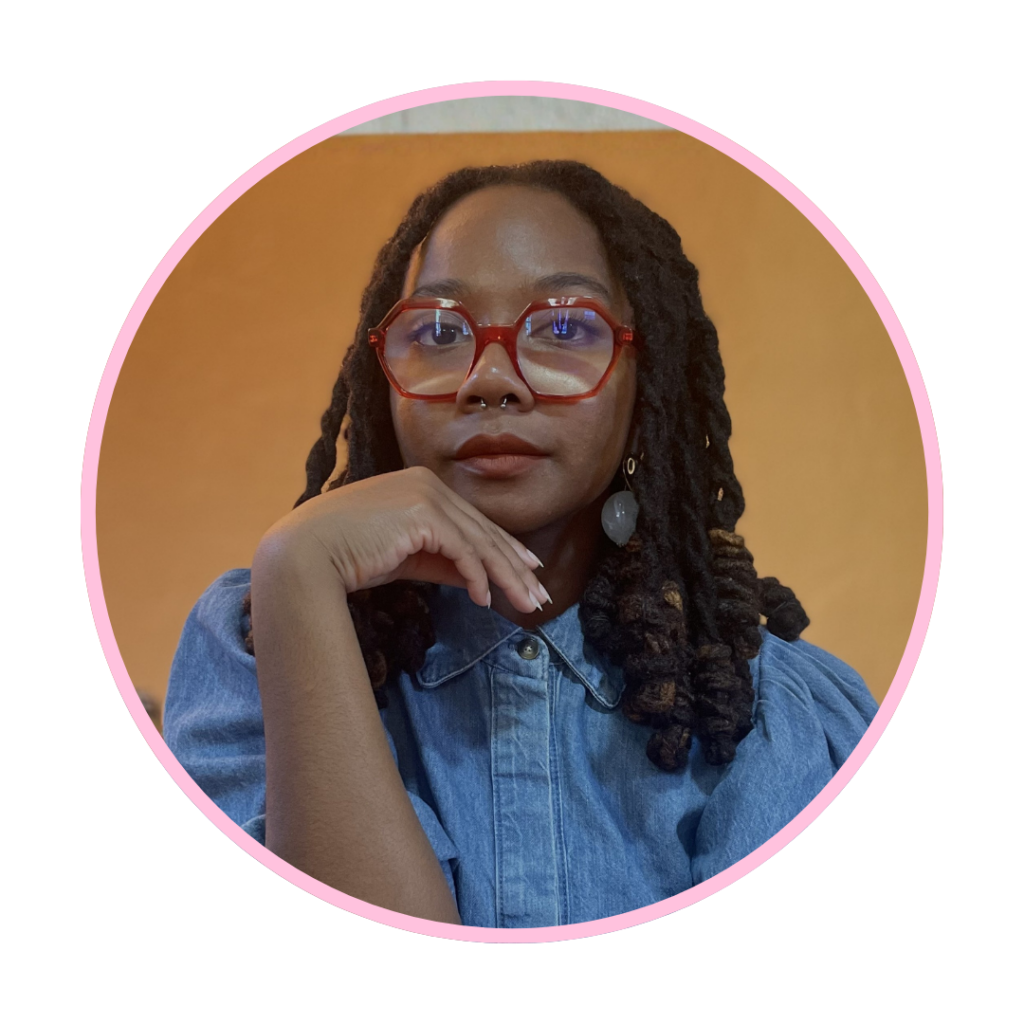
ayri nicole swanson is a native of Oklahoma and currently resides on the “East Side” of Oklahoma City. Professionally, she is an Assistant Professor of Public Health at Langston University with a passionate focus on love-centered public health praxis and pedagogy. ayri uses a decolonial, Black feminist approach to teaching, research, and co-creating learning experiences in the pursuit of Collective liberation. Her research and teaching interests include Black women’s health and healing practices, yoga as a tool for healing and liberation, documentary and filmmaking as qualitative research methods, and art as public health praxis. ayri loves to travel the world solo to rediscover parts of her soul in strange and wonderful places. She also enjoys writing, gardening, and archiving the stories of her grandmothers.

Cayci Gaines is a Junior Honors student at Langston University, majoring in Public Health with a concentration in Minority Health and Wellness Disparities. Her primary passion is connected to improving health outcomes in minority communities. She serves as President of the Public Health Student Association and is actively involved in multiple organizations dedicated to leadership and service. She is currently involved in community-based public health research and is passionate about participating in evidence-based interventions that improve the lives of Black women and marginalized populations. Following graduation, she plans to pursue a career in epidemiology and contribute to research that will promote health in underserved areas.
True community care means ensuring every woman has the knowledge, resources, and power to navigate her own health. This interactive session explores how communities can protect bodily autonomy and strengthen local healthcare access. Led by a student advocate and grounded in both sisterhood and community support, it frames women’s health as an empowering experience.
Participants will explore strategies for increasing access to reproductive care. Focusing on practical, barrier-free access to emergency contraception (Plan B), barrier methods, STI prevention, and local clinical services. The session highlights peer-to-peer education models and mutual aid networks that foster trust, destigmatize women’s health topics, and bridge gaps in formal healthcare systems. Crucially, true care extends beyond medical supply distribution: it means ensuring every person has a safe, non-judgmental “girl’s girl” to ask honest questions about their body (yes, everyone regardless of gender can be a girl’s girl). To support overall well-being, the session integrates trauma-informed consent education, gender-based violence prevention, and practical strategies for building community safety networks grounded in solidarity and mutual protection.
Finally, the session connects individual health literacy directly to collective action. Attendees will examine how public health workers, students, and community members can leverage civic engagement (such as clinic advocacy and community outreach) to uphold the principle that health resources belong to the communities they serve.

Lilith is a senior psychology student from OSU. As an adolescent sexual health advocate, she started Sexual Liberation Today here in Stillwater to ensure everyone has access to the information and resources they need to keep themselves safe.
Langston University is the home to a dynamic group of students who have made it their mission to promote healthier choices through an array of programs that consider the unique needs of college students living in a small rural community. This panel presentation comprised of women leaders aims to highlight the comprehensive process of developing, implementing, and assessing health-related initiatives spearheaded by a dynamic group of peer educators at a rural Historically Black University (HBCU). The panelist will discuss their approach to developing programs that address specific health disparities prevalent in the community, the unique challenges faced in a rural HBCU setting, and the strategies employed to engage students in meaningful health promotion activities. Moreover, the panelist will share their motivations for serving as a peer educator and the impetus for the programs they propose. This presentation will center the voices of women who consistently make an impact on campus by considering the needs of students.
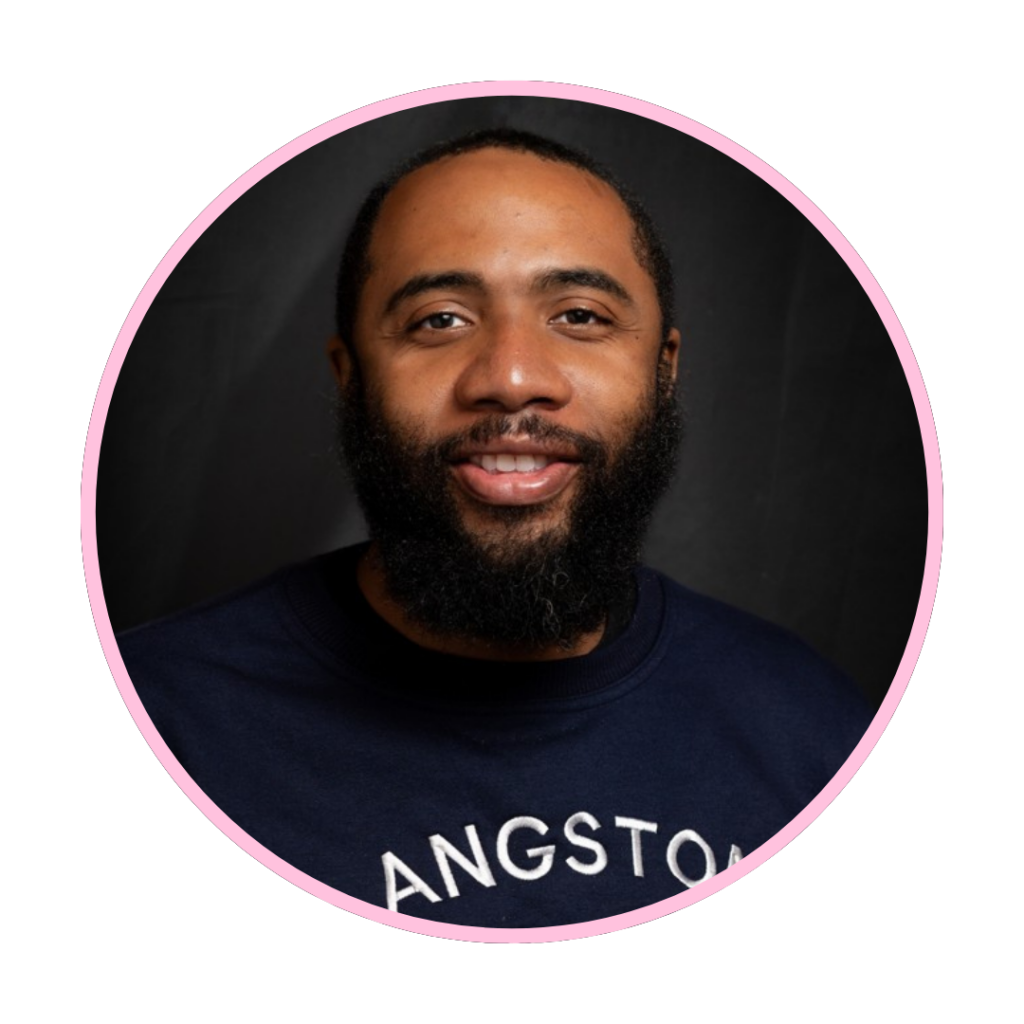
Dr. Desmond W. Delk serves as an Associate Professor and Chair in the Department of Health, Physical Education, and Recreation at Langston University in Oklahoma. His research focuses on equity and inclusivity in physical education, particularly examining the socialization of diverse kinesiology students. He has also contributed to the field through publications and presentations on topics such as social justice in physical education, culturally responsive teaching, and physical activity engagement of college students. He serves as the advisor for the ROARS Peer Educators.
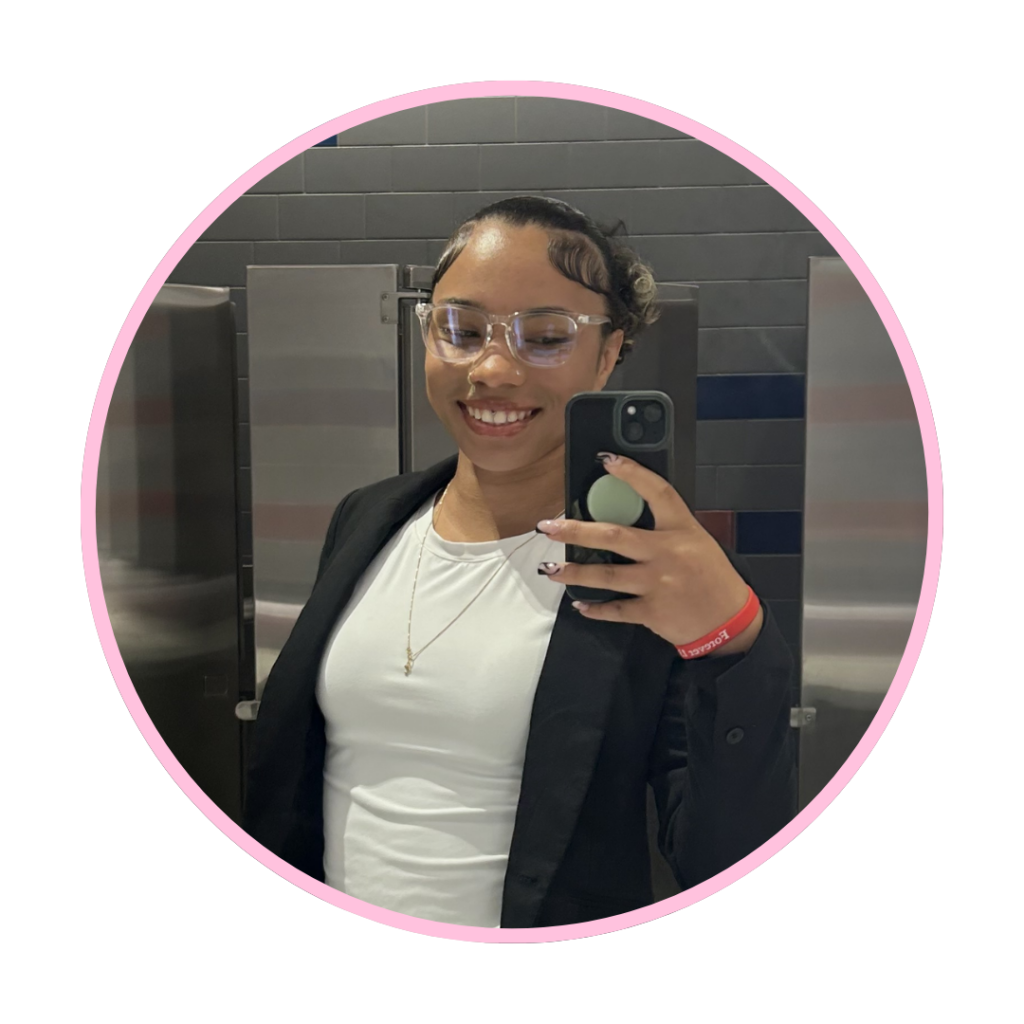
Janessa Bailey is a Senior Health, Physical Education, and Recreation major hailing from Tacoma, Washington. She is a student at Langston University and has been a member of the ROARS peer educator program for 3 years.

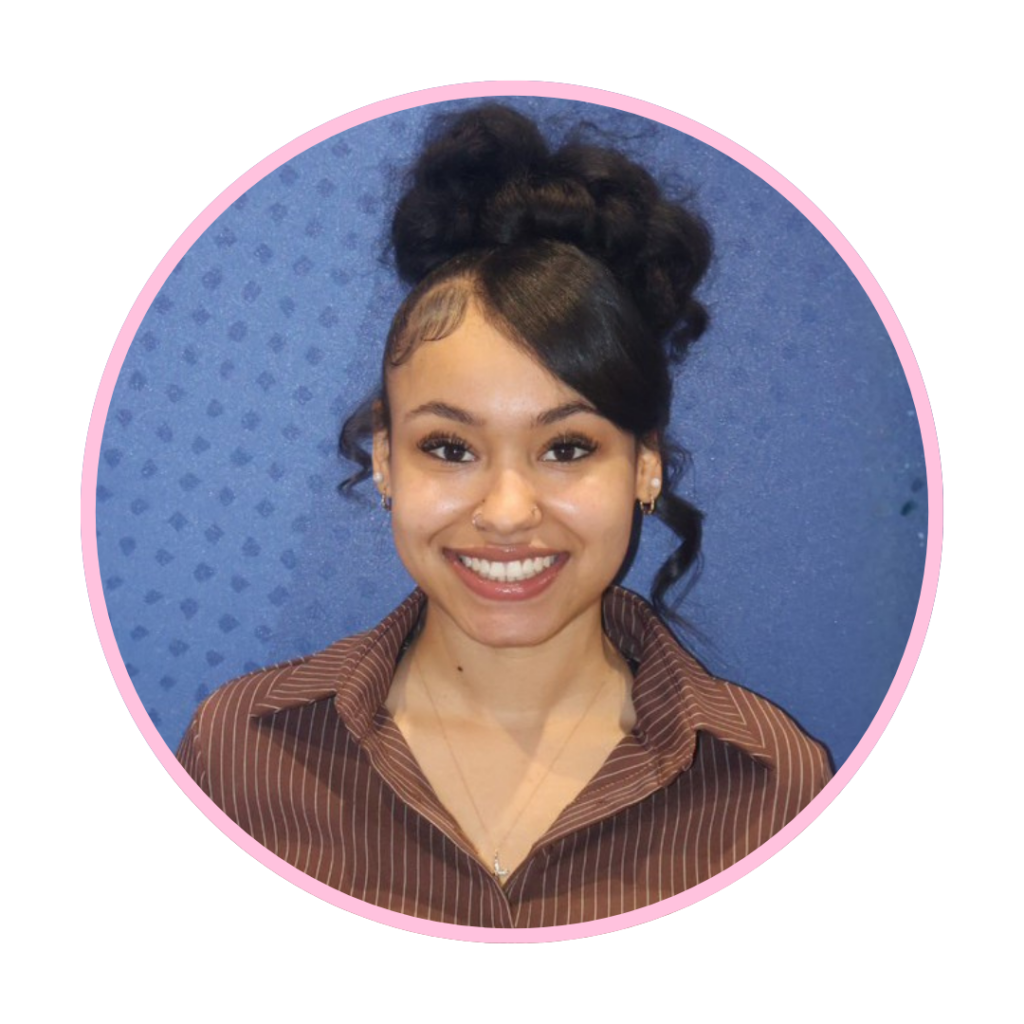
Jada Lewis is a Health, Physical Education, and Recreation student at Langston University, From Aurora, Colorado. At Langston University she serves as a ROARS Peer Educator. She works as a mental health technician at Cedar Ridge Behavioral Hospital and interns with Guiding Rights on the Let’s Link project, supporting HIV prevention and PrEP awareness among Black women. An aspiring occupational therapist, Jada is passionate about health education, community advocacy, and helping others improve their well-being.
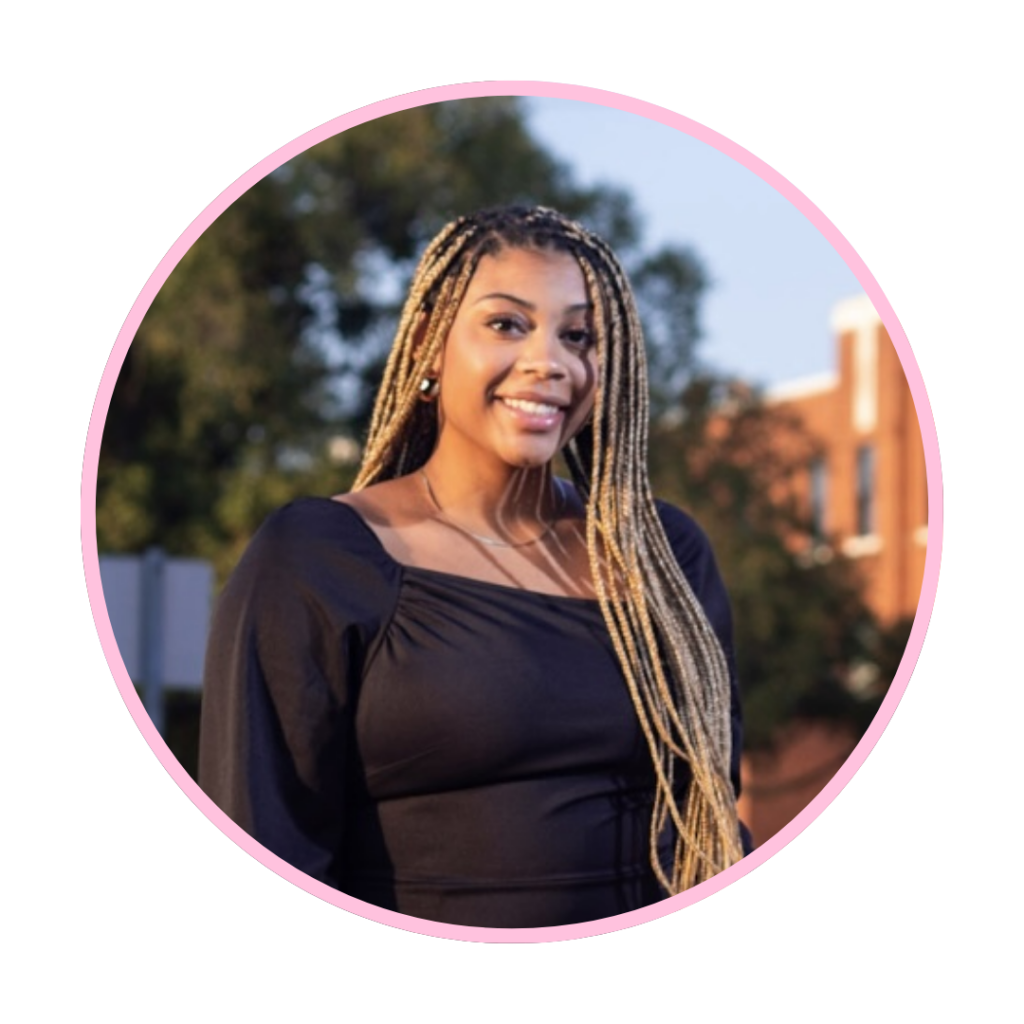
Poliana West is a senior at Langston University, the only HBCU in Oklahoma. From Oklahoma City, OK, she is majoring in Health, Physical Education, and Recreation with a minor in Health Administration. She is a ROARS Peer Educator, which stands for Revealing Obstacles and Awareness for Responsible Sexual Behaviors, where she helps students learn about sexual health in a real and relatable way. West is also a proud member of Alpha Kappa Alpha Sorority, Incorporated. She loves educating, uplifting others, and creating spaces where students feel comfortable and supported.
With the challenges sexual health education is facing across the country, a strong support network of sex educators, schools, clinics, and implementation partners helps to create a sustainable culture for sexual health education and youth clinic access. This session will provide participants with an overview of the landscape of sexual health and youth clinic access in Oklahoma guidance on how to achieve high-quality sexual health education and youth clinic access strategies for parent and guardian engagement and support and guidance on leveraging partnerships.
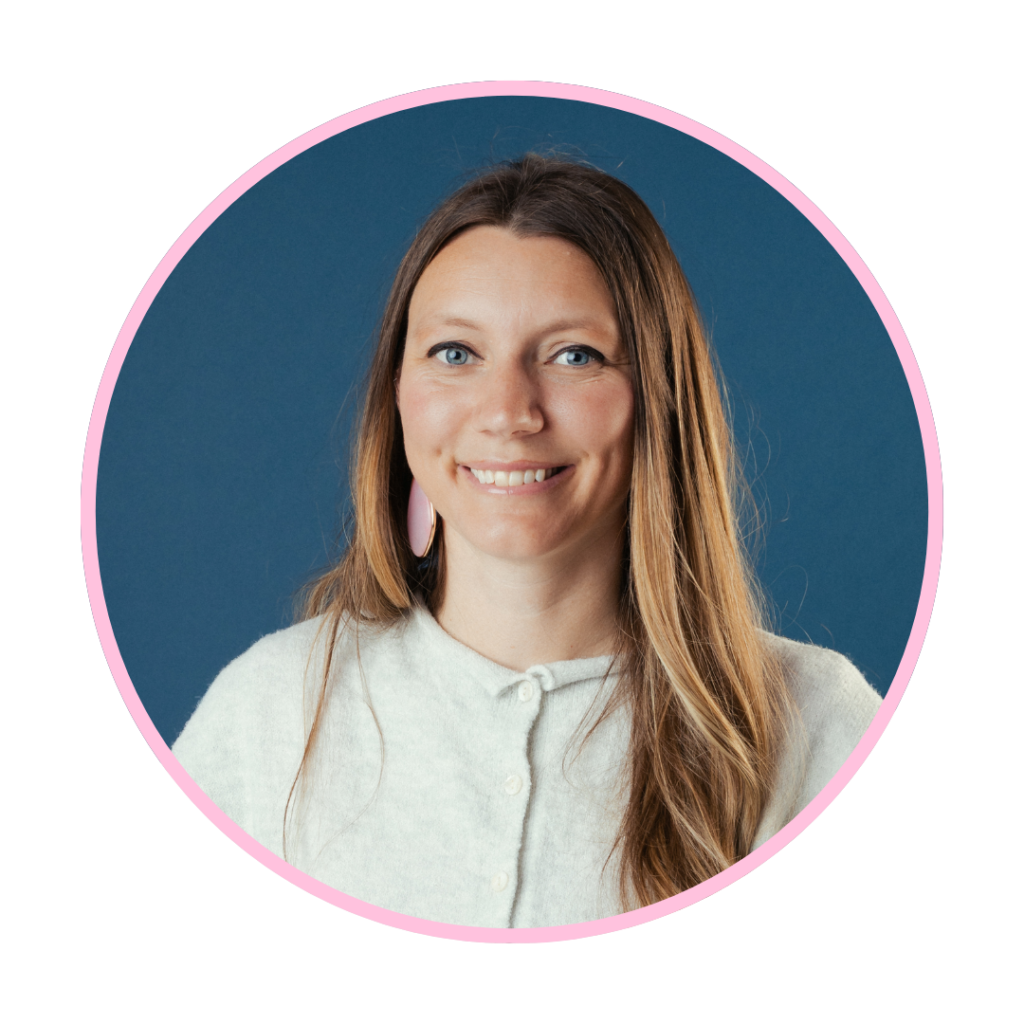
Samantha Higgs joined Amplify as the Capacity and Outreach Manager in November 2020. Samantha has almost a decade of experience in the youth sexual health field in Tulsa, working in partner capacity building, outreach, and helping young people access reproductive health and prenatal services. She has served as the secretary for the Tulsa Health and Education Coalition since January of 2018 and is a board member at Community Health Connection. In addition to working in the sexual health field, Samantha has worked in disability advocacy, the mental health field, and teaching college level Human Sexuality classes. Samantha was awarded the Rising Star Award by Oklahoma State University College of Human Sciences in 2018 and the Next Gen 30 Under 30 Award in 2019. She received her bachelor’s degree in Human Development and Family Science from Oklahoma State University in 2014 and earned her master’s degree in HDFS with a focus on Child and Family Services in 2017.

Gabe Lowe is a seasoned nonprofit leader with more than 20 years of experience in youth development, public health, and community-based programming. As the Director of Youth Development at Youth Services of Tulsa, he oversees initiatives focused on sexual health education, LGBTQ+ youth support, health services, and community violence intervention. With a background in sociology, Gabe brings a systems-level perspective to addressing social inequities, strengthening community partnerships, and developing programs that respond to the needs of young people and underserved communities.
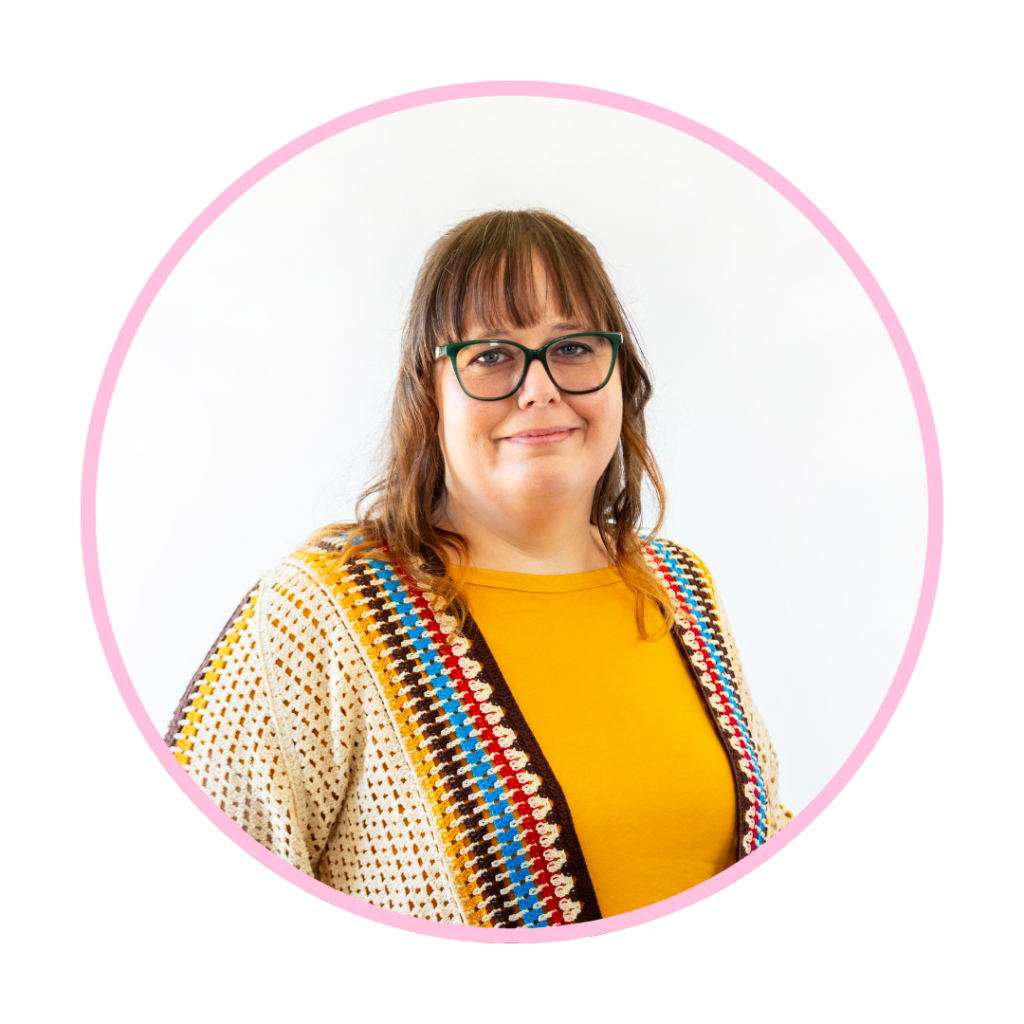
Tosha serves as the Chief Operations Officer at honestly. She has an extensive history working in the nonprofit sector and has dedicated her career to working with vulnerable and at-risk populations. A graduate of Oklahoma State University, her experiences include education, mental health, domestic violence, crisis response, and youth sexual health. Tosha has a passion for leadership development, teaching, equity/inclusion, and building relationships. She is committed to breaking down barriers and making positive change in our community.
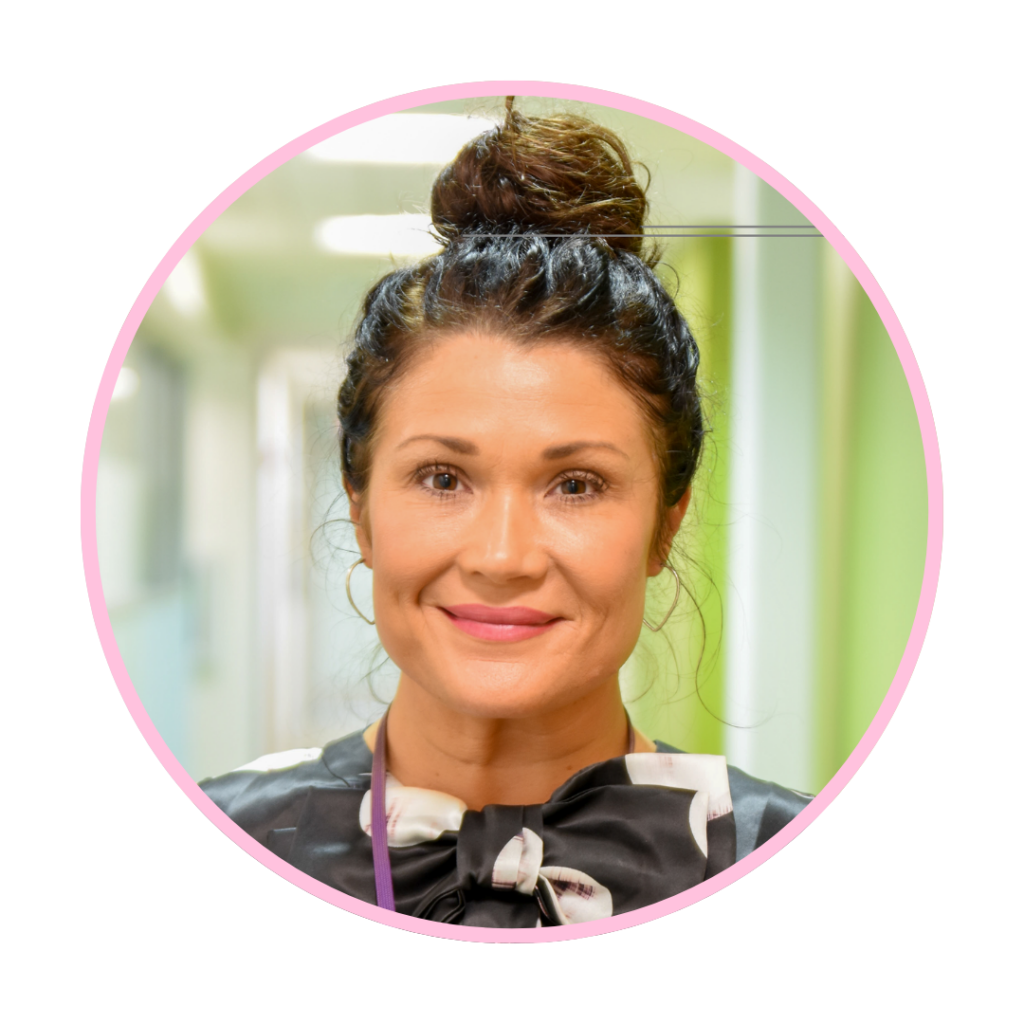
Kali Sexton, M.Ed., is the Director of Adolescent Health Education and Teen Clinic Services for Variety Care. She obtained her master’s degree in Adult Education with an emphasis in Training and Program Development from the University of Central Oklahoma and master’s certification in Mentoring Program Development and Supervision from Fordham University of Social Work and Big Brothers Big Sisters of NYC. With over 20 years of experience in developing and managing nonprofit youth services, Mrs. Sexton is a content expert in positive youth development, direct service, individualized transition planning and program development for adolescents, specifically pregnant and parenting youth as well as youth of K-12 age with diverse socioeconomic backgrounds. Her work currently focuses on the public health initiative to reduce teen pregnancy in the state of Oklahoma, which includes managing Variety Care’s private grants supporting the initiative from the Kirkpatrick Family Foundation. Her primary work focuses on the management and oversight of a team that serves students in low-income neighborhoods with an evidence-based, comprehensive sexual health curriculum. In addition to educational components, Mrs. Sexton ensures that the clinical aspect of service delivery is available to adolescents across Oklahoma County.
1:20 pm – 1:30 pm
1:30 pm – 2:20 pm
At a moment when policy impacts all fronts of women’s health in the heartland, Metriarch is bringing together Sen. Jo Anna Dossett, Rep. Trish Ranson, and Rep. Toni Hasenbeck for a candid discussion on representation at the Oklahoma State Capitol and how women’s voices matter at all levels of civic life.
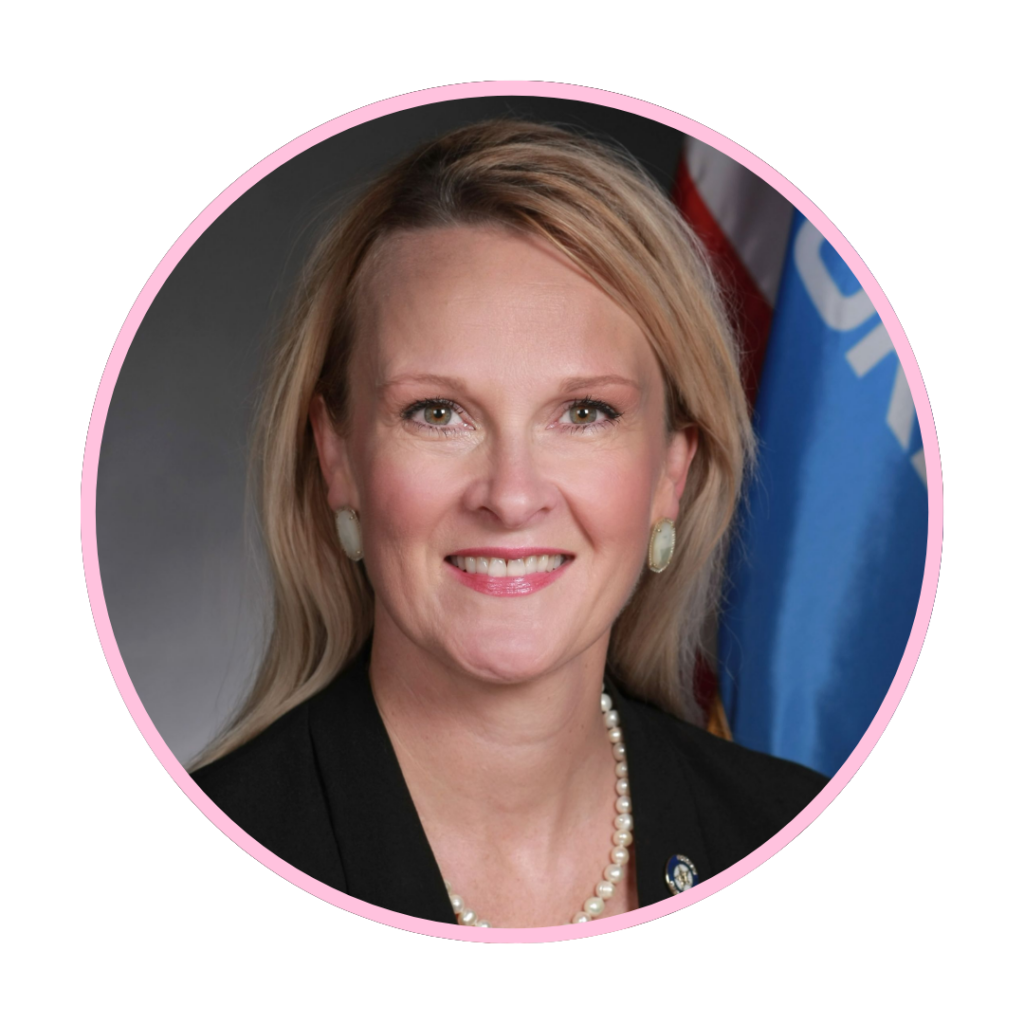
Representative Toni Hasenbeck serves House District 65, including Caddo and Comanche Counties. She was elected to the Oklahoma House of Representatives in 2018. In the 60th Legislature, Hasenbeck serves as chair of the House Postsecondary Education Committee and vice chair of the Appropriations & Budget Education Subcommittee. She also serves on the Agriculture Committee and the Education Oversight Committee. In addition, she is a member of the Majority Leadership Team, serving as Majority Deputy Leader. Hasenbeck is a proud alumna of Oklahoma State University. After college, she worked for 19 years as an educator, teaching all ages of children and working in three school districts. She holds a master’s degree from Cameron University.
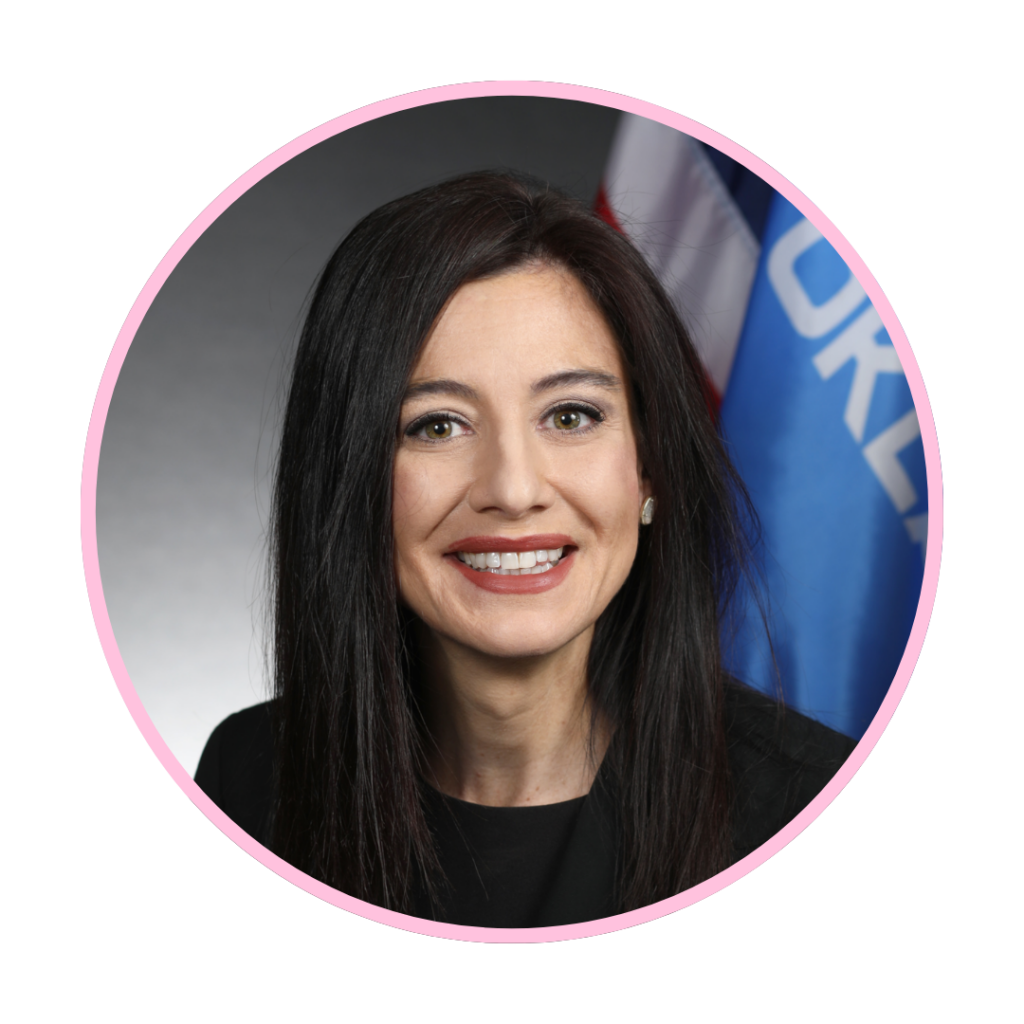
Sen. Jo Anna Dossett was first elected to the state Senate in 2020 to represent District 35 in Midtown Tulsa. Dossett followed in the footsteps of her parents to become a teacher after earning her bachelor’s degree from William Jewell College in Missouri. She also holds a master’s degree from Oklahoma State University-Tulsa. Additionally, Dossett served in the U.S. Peace Corps for two years before returning to the Tulsa area to begin her teaching career and raise her family. She taught English as a Second Language for 15 years in the Tulsa area and is a past school district Teacher of the Year.
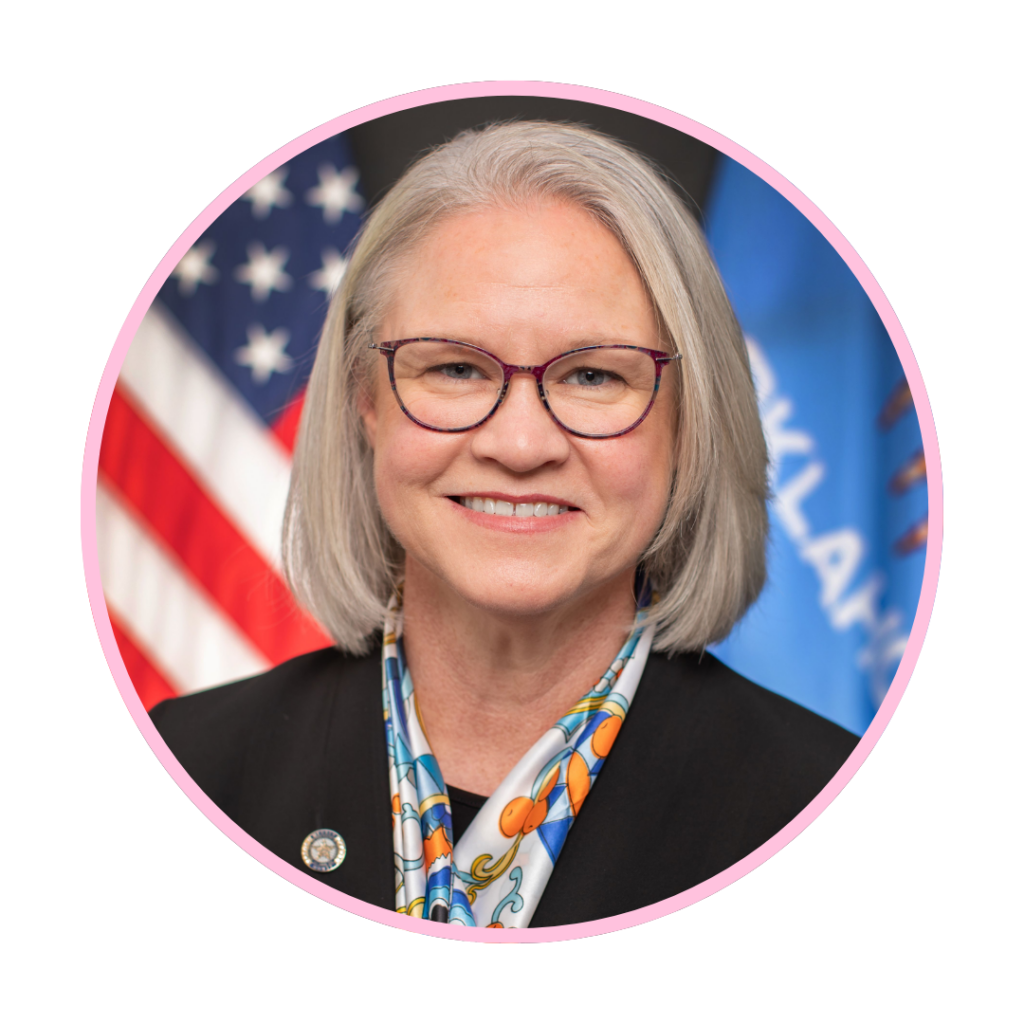
Trish Ranson is currently serving in her fourth term at the Oklahoma House of Representatives. Prior to running for office in 2018, Representative Ranson taught elementary music for 15 years at Westwood Elementary in Stillwater and served as a conductor with the OSU Youth Choir. As a legislator, she combines her knowledge, expertise, passion and compassion to improve public education while also advocating for the deeply interconnected issues of improved healthcare, food security, criminal justice, and equal opportunity. Representative Ranson serves on multiple committees in the House. For the 60th session, these include Full Appropriations and Budget, Health and Human Services Oversight, Agriculture, and Postsecondary Education. Through her service on these committees and her involvement in the House as Democratic Caucus Chair, Representative Ranson will continue to expand her knowledge to address issues and find solutions that benefit all Oklahomans.
This presentation explores the results of a project focused on youth reproductive health choices. We will review the youth advisory board, who co-designed interview tools, recruitment strategies, and screening protocols, and the use of a storytelling tool to collect the qualitative data. This storytelling tool, Biograffs, resulted in exceptionally rich data and visuals created by the youth to accompany their responses. Certain focus areas for the data reviewed in this session will be Birth Control, Condoms, Sexual Experiences, Sexual Education, Differentiation of Self Among Peers, and Influences. Participants will also leave with actionable applications for the use of this data and the research process in their own programs.

Lilly was one of the rare Oklahoma youth who received high quality sex ed, and then got her start in this field as a peer educator in high school. She spent several years working as a sexual health educator and marketing coordinator with Teen Empower, reaching young Oklahomans with empowering information about relationships and decision-making. Afterwards, she shifted her focus to systems-level impact with the backbone of the Central Oklahoma Teen Pregnancy Prevention Collaboration, Honestly. She’s a Bloomberg Fellow with the Bloomberg American Health Initiative and graduated in 2024 with her Master’s in Public Health from Johns Hopkins School of Public Health. While there, she focused on risks to adolescent health, health communication, and adolescent health advocacy.
This session covers the basics of menstrual health and hygiene, student needs and challenges, and the impact of period stigma and period poverty on learning and well-being.
Participants will explore practical strategies for supporting students, including access to menstrual products, trauma-informed and inclusive language, neurodivergency/autism, and how to respond appropriately to student questions or concerns. The session also addresses equity, cultural sensitivity, and confidentiality in the home & multiple youth-driven settings.

Chrystyan brings a multidisciplinary background grounded in education, behavioral health, and reproductive health advocacy. With 17 years of experience in K–12 public schools, Chrystyan has worked as a Special Education Paraprofessional and in Literacy and English Language Arts (ELA), supporting diverse learners across grade levels. She also has 2 years experience in Applied Behavioral Analysis(ABA), working with autistic, AuSD, ADD, ADHD, and non-verbal adolescents ages 2–17. In addition, Chrystyan has 9 years of experience in reproductive health advocacy, informed both professionally and personally as an endometriosis and PCOS/PMOS Patient for over 20 years. In 2022, Chrystyan created her podcast & platform ThaMonthly to advocate for the reproductive health & rights of all, with a priority to BIPOC individuals. She then founded grassroots organization The Inkk Advocates of Oklahoma, servicing local institutions & other community orgs by implementing free access to menstrual products & education across the state. Along with her activist & advocacy work in reproductive health, she is a Guardian Member of the ACLU of Oklahoma to work with others on eradicating period poverty amongst other reproductive health issues in the state.
Ethical practice, informed consent, and shared decision-making are foundational principles of high-quality healthcare and are particularly critical and exceptionally complex in women’s health, where patients encounter life-altering healthcare decisions. Women navigate a spectrum of experiences that require the healthcare team to balance evidence-based recommendations with respect for patient autonomy, cultural beliefs, and state/federal regulations. Clinicians play a pivotal role in fostering trust and advocating for patient rights. Participants will explore ethical principles including autonomy, beneficence, nonmaleficence, and justice, and how these principles guide clinical encounters in reproductive health, family planning, prenatal care, labor and birth, and postpartum care. Special attention will be given to situations in which patients experience vulnerability, power imbalances, health literacy barriers, cultural influences, or historical mistrust of healthcare systems.
The presentation will review current evidence, state and federal statutes, and professional standards supporting informed consent as an ongoing process rather than a singular event. Through clinical examples and case-based discussion, attendees will analyze challenges that arise when patient preferences differ from clinician recommendations and when reproductive healthcare decisions intersect with legal and policy considerations. Strategies for promoting meaningful dialogue, trauma-informed communication, and culturally responsive care will be discussed. Participants will learn practical approaches to facilitating shared decision-making, including techniques for assessing mutual understanding, communicating risks and benefits, and addressing implicit bias. The presentation will highlight opportunities to improve health equity by ensuring that all women, regardless of age, race, ethnicity, socioeconomic status, language, ability level, gender identity, or geographic location, have equitable access to healthcare.
Maria Meyer graduated from Boston College’s Connell School of Nursing in Boston, Massachusetts with her bachelors and masters degrees and is a board certified women’s health nurse practitioner. Currently, Maria practices as a WHNP at the largest federally qualified health center system in Oklahoma, Variety Care Health Centers, providing comprehensive women’s health services. Maria is adjunct faculty at the University of Central Oklahoma, the University of Oklahoma, and Oklahoma City Community College for pre-licensure nursing students. She is the immediate past Advocacy Committee Chair for the National Association of Nurse Practitioners in Women’s Health, the Region 1 (OKC area) Representative for the Oklahoma Nurses Association, and the Public Relations Coordinator for the Oklahoma Section of AWHONN (Association of Women’s Health, Obstetric, and Neonatal Nurses).
Women’s health extends far beyond clinical care—it is deeply influenced by the environments in which women live, work, lead, and serve. As women comprise much of the public health, healthcare, education, nonprofit, and caregiving workforce, the social dynamics within organizations have become a critical yet often overlooked social determinant of health. This interactive session explores how workplace culture, psychological safety, leadership behaviors, belonging, burnout, and employee engagement directly affect women’s physical, emotional, and mental well-being while influencing workforce retention, organizational effectiveness, and ultimately the health of Oklahoma communities. Drawing upon lessons learned through workforce development initiatives at the Tulsa Health Department, participants will examine how leaders can intentionally cultivate healthy workplace ecosystems that reduce chronic stress, strengthen resilience, and improve employee experience. The session will connect organizational culture with broader public health outcomes by demonstrating how healthy employees create healthier communities. Participants will also explore practical strategies for building cultures where women can thrive across every stage of their careers—from early professionals to executive leaders—while recognizing the unique pressures many women experience as caregivers, leaders, and community advocates. By reframing workplace culture as a public health strategy, attendees will leave with innovative approaches for creating organizational environments that support both workforce well-being and healthier populations throughout Oklahoma. reimbursement pathways for doulas statewide. Attendees will leave with a clear picture of the systemic problem and a concrete model for how technology can support, not replace, the human relationships at the center of doula care.
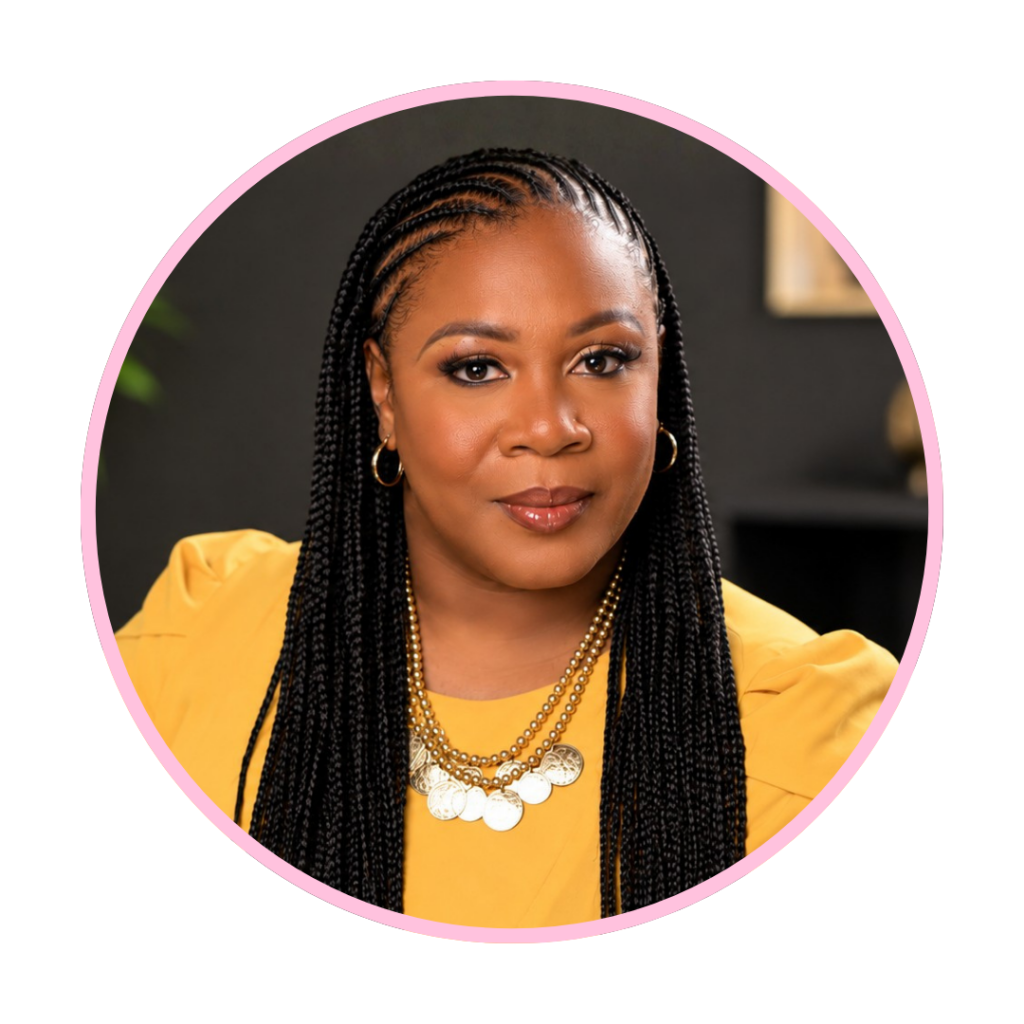
Lewana Dailey has built a distinguished career at the intersection of leadership development, organizational transformation, and community impact. As Director of Workforce Development at the Tulsa Health Department, she leads strategic initiatives that strengthen organizational culture, develop talent pipelines, and ensure Tulsa’s health workforce is equipped to serve the community with excellence. Her path to this role reflects both professional success and purposeful evolution. An ICF Certified Coach, Master Facilitator, and Published Author, Lewana is known for designing leadership programs that create lasting change. She has delivered professional development for groups like Executive Women International, reaching more than 92 professionals in a single session, and has served as a featured speaker at conferences and corporate events across the region. Her personal brand, rooted in igniting potential, empowering leaders, and transforming organizations, has earned national recognition for its authenticity and impact. Her academic achievements reflect the same excellence she brings to her work, including a Master of Human Relations and a Bachelor of Arts in Criminal Justice. She is currently pursuing a doctoral degree in Organizational/Community Leadership, further expanding her expertise. Lewana is an active volunteer whose service includes board leadership, community advocacy, and mentoring. She is an active member of Alpha Kappa Alpha Sorority, Inc., and is currently contributing her board service to YMCA of Tulsa, Oklahoma Center for Nonprofits, Girl Scouts of Eastern Oklahoma, Food on the Move. Her service, leadership, and unwavering belief in human potential have created platforms that empower women, strengthen organizations, and inspire transformation across Tulsa and surrounding areas.
Oklahoma ranks among the worst states in the nation for maternal and infant health. The state sits 47th nationally for maternity care provider density (34.2 per 100,000 OSDH, 2025), 37th for preterm birth (11.0% March of Dimes, 2025), and 46th for infant mortality (7.1 per 1,000 live births March of Dimes, 2025). Oklahoma’s maternal mortality rate of 29.0 per 100,000 surpasses the national rate of 24.6 (OSDH, 2025), and the Oklahoma Maternal Mortality Review Committee determined 67.4% of those deaths were preventable (OSDH, 2025). The two leading preventable causes, hemorrhage (25.6% of deaths, 90% preventable) and infection (23.2% of deaths, 90% preventable), are precisely the outcomes evidence consistently links to care model and provider type (OSDH, 2025). With 16.3% of women ages 19–44 uninsured (4th highest nationally Commonwealth Fund, 2024), 49.7% of births covered by Medicaid (March of Dimes, 2025), and 52.5% of counties designated as maternity care deserts (March of Dimes, 2024), the burden falls hardest on those least equipped to absorb it.
Certified Nurse-Midwives (CNMs) are an evidence-based, cost-effective response to this crisis, and Oklahoma health systems are not deploying them at the scale the data demands. For low-risk women, who represent the majority of Oklahoma’s birthing population, CNM-led care is associated with lower rates of hemorrhage, infection, anemia, and unplanned cesarean birth compared to physician-only models (Sriram et al., 2024 Fikre et al., 2023). Lower cesarean rates are particularly significant in Oklahoma, where hysterectomy is the state’s leading indicator of severe maternal morbidity (18.1 per 10,000 OSDH, 2025). CNMs are trained in active management of the third stage of labor, early risk recognition, evidence-based antibiotic prophylaxis, vaccination promotion, and continuity-of-care models that address patient engagement and treatment adherence factors contributing to preventable deaths. The ACNM-ACOG Joint Statement of Practice Relations (2022) provides a clear framework for collaborative, complementary practice, yet integration remains inconsistent across Oklahoma institutions.
Infrastructure for CNM practice in Oklahoma is already taking shape. CNM-attended births exceed 5,000 annually statewide (ACNM, 2024). Medicaid reimburses CNMs at 100% of the physician rate (ACNM, 2022). Research among Northern Plains tribal women, a population representing 13.36% of Oklahoma’s female population and second only to Alaska (World Population Review, 2026), documents a strong expressed preference for midwifery-led care (OSDH, 2025). Rural hospitals, county health departments, tribal health facilities, and high-volume safety-net institutions present underutilized opportunities for CNM integration. Yet with more than 25% of Oklahoma’s CNM workforce projected to retire by 2030 (ACNM, 2023), the window to act is narrowing.
This session presents the data-driven case for CNM workforce integration across Oklahoma’s health systems. Drawing on state-level outcome data, workforce projections, and the clinical evidence base for midwifery-led care, attendees will leave with a clear understanding of the CNM role, the outcomes associated with CNM practice, and actionable strategies for championing workforce integration in their own institutions, communities, and spheres of influence. Expanding the CNM workforce is not a niche issue, it is one of the most direct levers available to move Oklahoma’s maternal health outcomes forward.
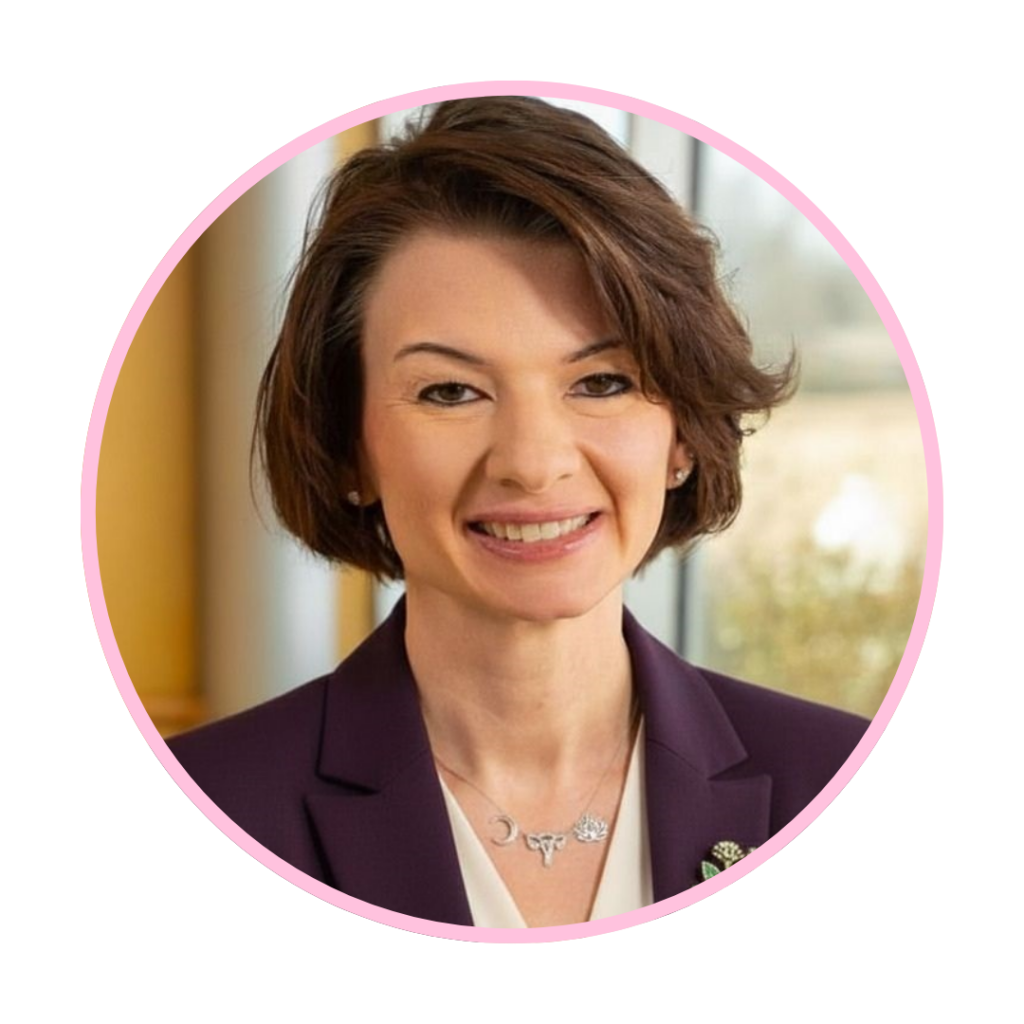
Jessica Cotton is a Certified Nurse-Midwife, Women’s Health Nurse Practitioner, and Clinical Assistant Professor at the University of Oklahoma Health Sciences Campus Fran and Earl Ziegler College of Nursing. She earned her Master of Science in Nursing in Midwifery and Women’s Health from Georgetown University and her Doctor of Nursing Practice. Dr. Cotton serves as President of the Oklahoma Affiliate of the American College of Nurse-Midwives and serves on the Oklahoma Perinatal Quality Improvement Collaborative and Oklahoma Maternal Health Taskforce’s Advisory Board, as well as the Oklahoma Maternal Mortality Review Committee. She is committed to addressing preventable maternal morbidity and mortality in a state where restrictive practice environments limit midwifery access and outcomes. Dr. Cotton’s scholarly focus spans maternal health, certified nurse-midwife workforce development, and interprofessional education. She teaches undergraduate maternal-child health nursing and is developing graduate Women’s Health Nurse Practitioner and Nurse-Midwifery programs. Her research on labor and delivery nurses’ attitudes toward working with certified nurse-midwives and her interprofessional education simulation work reflect her commitment to building collaborative, respectful practice environments.
Oklahoma faces ongoing maternal health challenges that are driven by persistent workforce shortages, limited access to maternity services, and the closure of obstetric services in many communities. These challenges are particularly evident in rural areas, where access to timely maternal healthcare remains limited. Strengthening and diversifying the maternal health workforce has emerged as an important strategy for expanding access to care and supporting positive maternal and infant outcomes.
This presentation examines the distinct and complementary roles of Certified Nurse Midwives (CNMs) and Certified Professional Midwives (CPMs) within Oklahoma’s maternal health system. Participants will gain an understanding of the education, certification pathways, scope of practice, and care settings associated with each profession, as well as how these providers contribute to expanding access to reproductive, maternal, and women’s healthcare across hospital, clinic, birth center, and community-based settings.
Drawing on policy analysis of Oklahoma’s midwifery regulatory environment, the assessment of the midwifery workforce landscape and reimbursement policies, stakeholder engagement findings, and an assessment of the state’s midwifery education, this session explores opportunities and challenges related to the growth and integration of midwifery care. Particular attention will be given to workforce development, reimbursement and regulatory considerations, care coordination, and collaborative models involving midwives, physicians, hospitals, public health agencies, educators, and community organizations. Attendees will leave with practical insights into workforce development and policy strategies that can help address gaps, and expand access to maternal healthcare, and strengthen Oklahoma’s maternal health system.
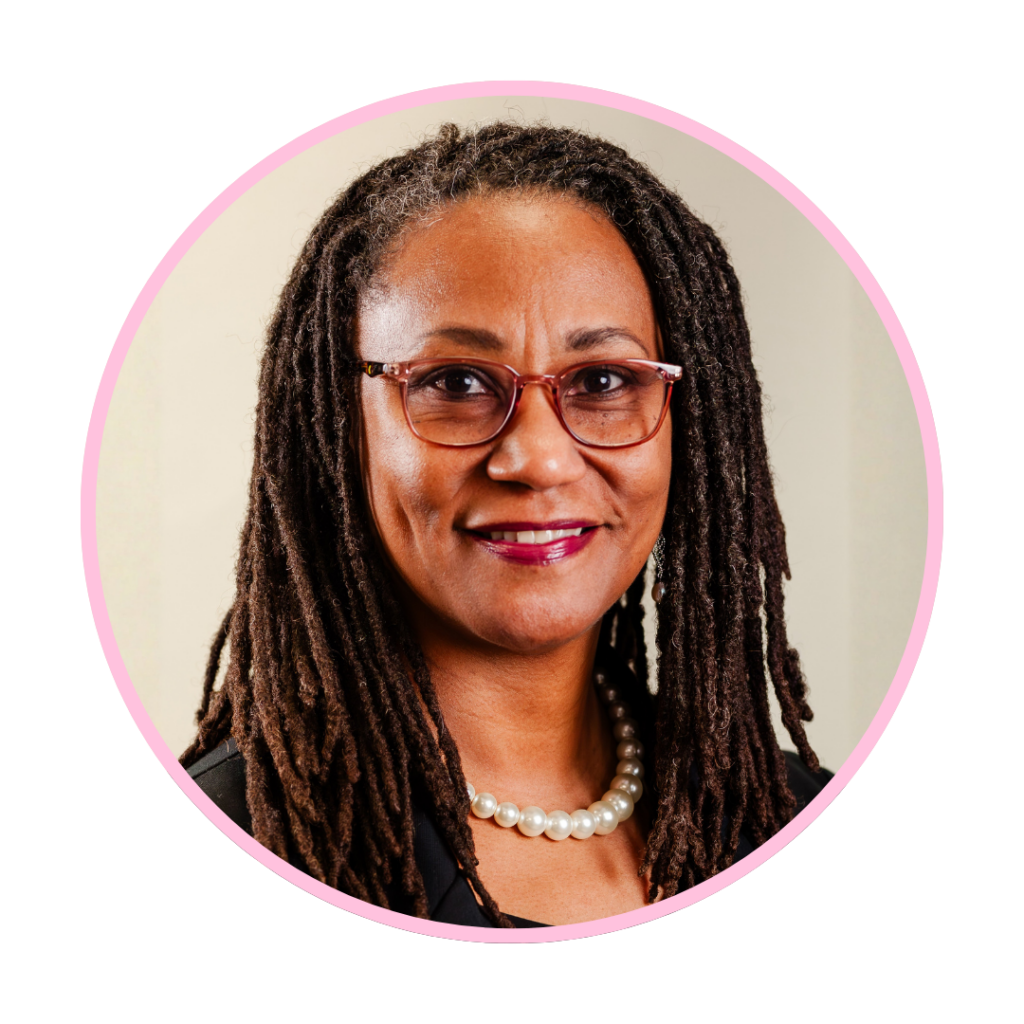
Priscilla McFolling, MS, BSN, RN is a registered nurse with more than 30 years of experience and serves as the Program Director for The Midwifery Project, a program of the Oklahoma Perinatal Quality Improvement Collaborative (OPQIC). She leads efforts to expand access to midwifery care through education, advocacy, and system-level changes. She is a passionate maternal-child health advocate with expertise in nursing, healthcare administration and public health. She is committed to: increasing public awareness of midwifery-lead care, strengthening collaboration across the maternal health ecosystem, and advancing sustainable models that support coordinated, respectful, and patient-centered care. Her work reflects a deep commitment to improving maternal health outcomes and supporting care models that meet the needs of families and providers alike.
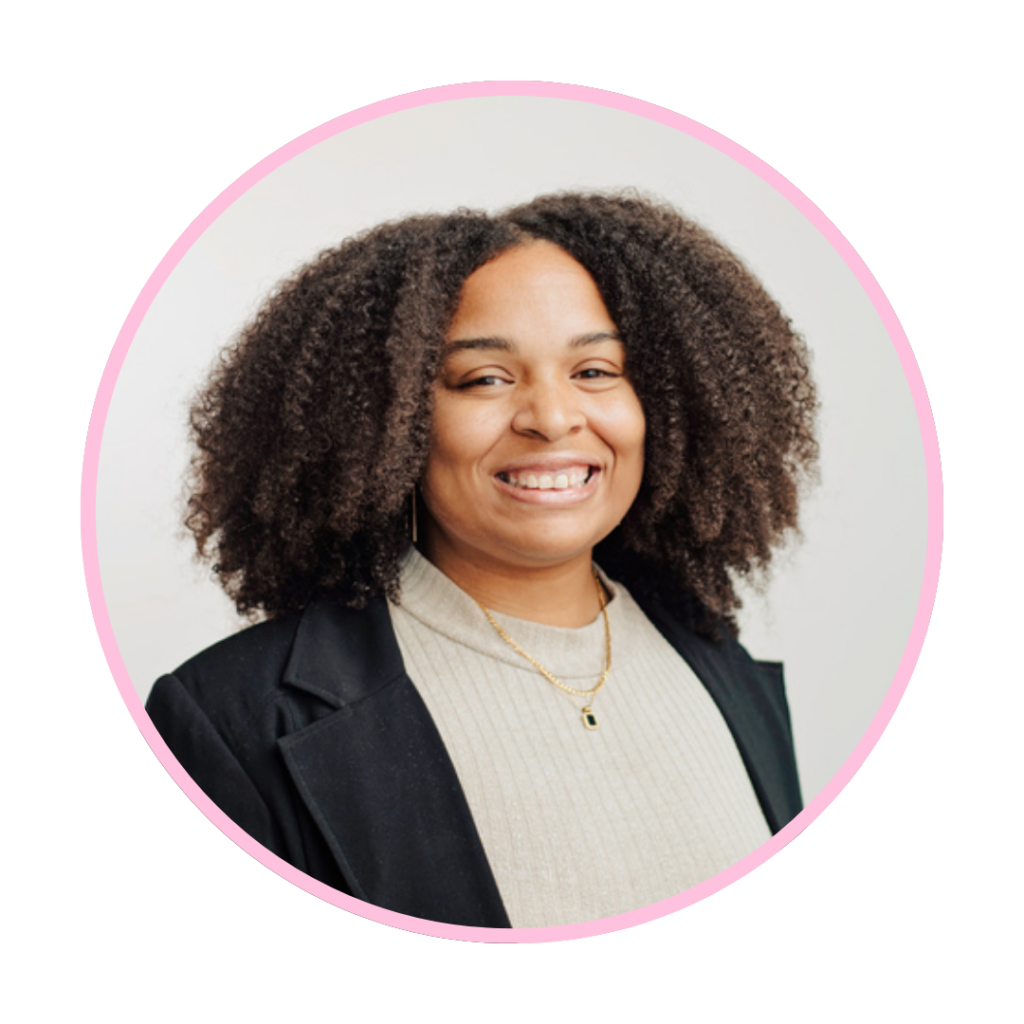
Eliza is an anthropologist with extensive training in qualitative and mixed methods research. They earned their Research Masters in Social Sciences at the University of Amsterdam, where they gained proficiency in advanced research methodologies, data analysis, and a strong capacity for conducting impactful research. Eliza’s work is centred around reproductive justice and addressing social/structural disparities that impact healthcare access. In their role with TCI/Metriarch, Eliza utilises the full data life cycle to centre marginalised voices and address equity gaps in healthcare and policy.
2:20 pm – 2:30 pm
2:30 pm – 3:20 pm
In Oklahoma, 86.6% of new mothers initiate breastfeeding yet less than 29% are exclusively breastfeeding at 6 months as recommended. Quality lactation care is vital to helping mothers reach their breastfeeding goals and avoid early cessation. Of Oklahoma’s 77 counties, 59 qualify as lactation care deserts with no hospital or community-based lactation consultants available. The Oklahoma Breastfeeding Resource Center at OUHSC offers several free services to address this gap in lactation care including a 24/7 breastfeeding hotline, free lactation telehealth and an online digital library of evidence-based resources for families. After a year of minimal uptake for the free telehealth services, an innovative mobile app was developed to provide easy access to OBRC’s services and connect families to other support such as the Oklahoma Mothers’ Milk Bank, health department home visiting services and how to access breast pumps through insurance. Since the launch of this unique mobile app, 376 users have downloaded the app, including 167 breastfeeding moms, and there has been a 36% increase in both hotline contacts and telehealth sessions. App users have come from 43 counties including 41 rural counties demonstrating the ability of digital technology to address gaps in care in a rural state with 75% of counties that are lactation care deserts. Future research will focus on data collection via the app to determine impact on breastfeeding duration and exclusivity.
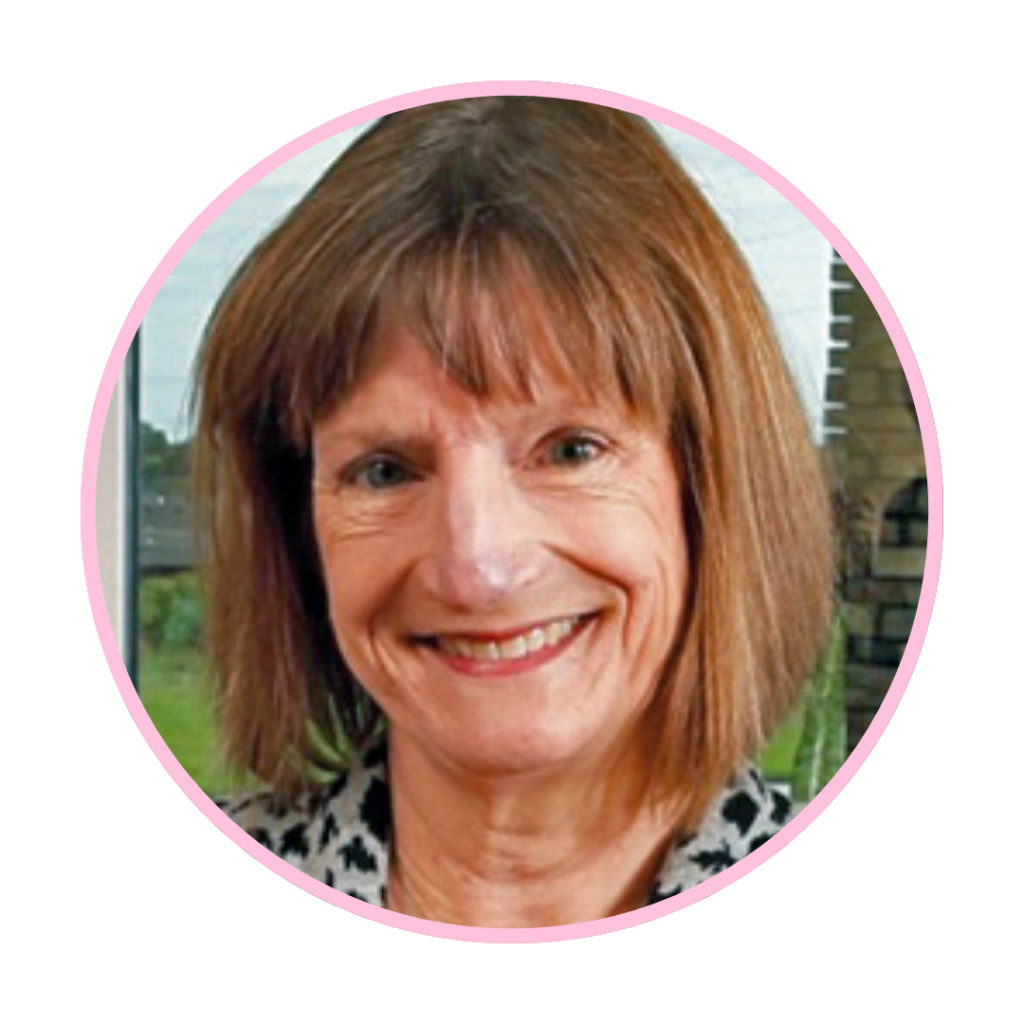
Becky Mannel, MPH, IBCLC, FILCA, is a nationally recognized leader in lactation care, maternal-child health, and breastfeeding advocacy with nearly 30 years of experience. She serves as a Clinical Professor in the Department of Obstetrics and Gynecology at the OU College of Medicine and holds adjunct faculty appointments in the Department of Pediatrics and the Department of Nutritional Sciences at the OU College of Allied Health. Becky is the Director of the Oklahoma Breastfeeding Resource Center at the University of Oklahoma Health Sciences Center and Executive Director of the Oklahoma Mothers’ Milk Bank. Throughout her career, she has led numerous statewide initiatives to improve breastfeeding support and access to care, including the Becoming Baby-Friendly in Oklahoma project and the Oklahoma Breastfeeding Hotline. In addition to her leadership roles, Becky has developed innovative clinical training programs for healthcare professionals and has presented at state, national, and international conferences on breastfeeding, lactation care, and maternal-infant health. Her contributions have earned multiple awards and widespread recognition for advancing evidence-based practices that improve health outcomes for mothers, infants, and families.
Expecting in No Man’s Land explores the deadly issue of maternity care deserts in the Oklahoma panhandle, within the context of national Medicaid cuts and imminent risk of critical access hospital closures. This story begins with the closure of Guymon, OK’s OB unit and the doctor across state lines who now delivers 5 times the national average, resulting in traumatic outcomes. Mothers share their experiences in this care deficit where things slip through the cracks – a woman has her water broken without permission, another has her baby delivered by a nurse practitioner, and one doesn’t find out about her baby’s rare genetic condition until years later due to “lost paperwork.” Two hours away in Shattuck, OK, we look toward the potential future of rural hospitals, where husband and wife Tom and Amy Vasko seek to revitalize rural obstetrics through a midwifery model of care.
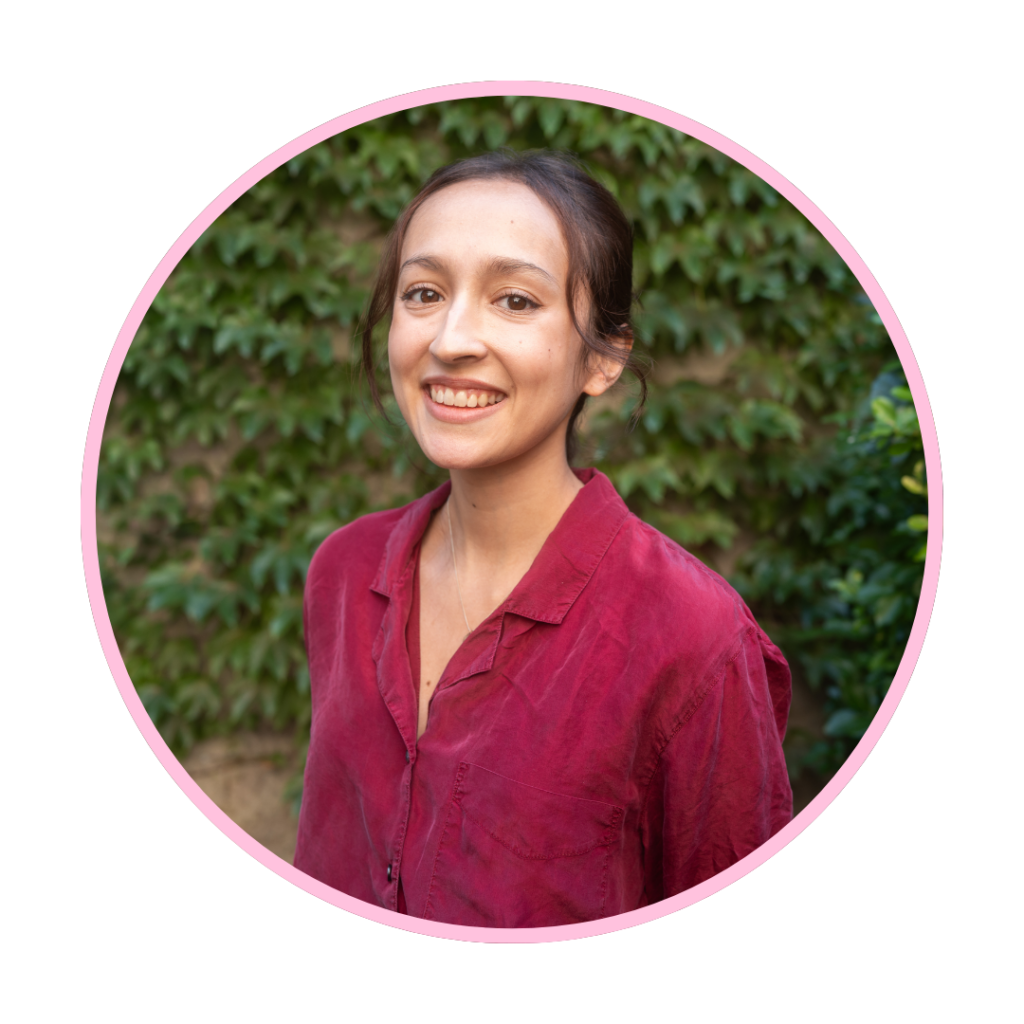
Saskia Ghosh is a documentary freelancer and graduate student at NYU Journalism School, concentrating in Podcasting and Audio Reportage. Credits include STAX: SOULSVILLE USA, RIOTSVILLE, and MR. POLAROID. She’s currently working on an investigative podcast about maternity care deserts in the Oklahoma panhandle, exacerbated by nationwide Medicaid cuts and rural hospital closures.
Rural women experience unique challenges accessing healthcare, yet access is shaped by more than the presence or absence of services. Understanding how women navigate healthcare within their community can provide important insight for improving rural health systems and women’s health. This community-based study used a mini-ethnographic case study design to explore rural women’s perceptions, beliefs, and lived experiences related to healthcare access in Southwest Oklahoma. Through the Rural Renewal Initiative, a student researcher spent 10 weeks in Jackson, Harmon, and Greer counties in Summer 2026 collecting data using semi-structured interviews with rural women (n = 23) and healthcare professionals (n = 5). Prolonged observation and field notes, reflective written and photo journaling, and community artifacts served as additional data points. Data were analyzed using thematic analysis to identify women’s recurring experiences, barriers, community assets, and healthcare needs. Findings revealed limited availability of mental health and specialized services, transportation barriers, and knowledge/awareness gaps. Women expressed concerns related to reproductive health education and availability of obstetric and gynecologic care. Experiences varied across communities, highlighting the importance of considering local needs rather than treating rural populations as homogeneous. Participants identified strong relationships with local providers, social connections among women, and community trust as important assets. Findings underscore the need for responsive approaches that address service gaps while leveraging existing community assets and Extension systems for improving knowledge, communication, and service delivery. The research team identified opportunities for disseminating the research back to the community and leveraging local partnerships to mitigate access barriers.
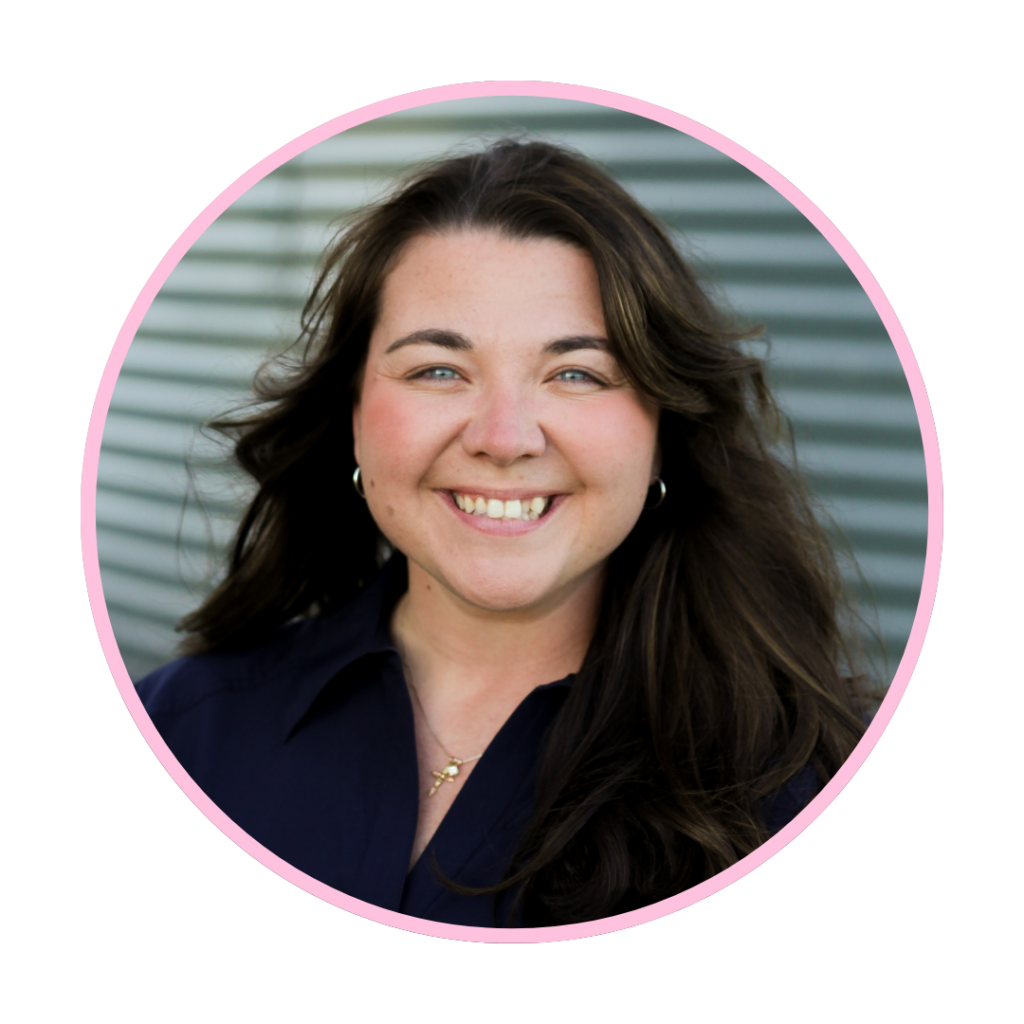
Carrie Baker is an assistant professor of agricultural communications at Oklahoma State University in the Department of Agricultural Education, Communications, and Leadership. Baker earned her B.A. from Greenville University in communications, her M.S. from Texas A&M University in agricultural communications, and her Ph.D. from the University of Florida in agricultural education and communication. Baker’s research engages local community leaders and agricultural stakeholders to examine and communicate about critical health and safety issues in the agricultural and food sector, strengthen community health and rural development, and advance strategic agricultural and health communication to increase trust and promote behavior change. While her work focuses on health and wellbeing broadly across food and agricultural systems, she has specific expertise in farm stress, mental health, and healthcare access. She has a passion for serving rural women and farm families to ensure they can lead full, healthy lives.

Karleigh Erramouspe is now a junior at Oklahoma State University, studying agricultural communications and agricultural leadership. Originally from Corona, New Mexico, she grew up in a rural agricultural background where she found her passion for serving and developing rural communities.
Often, Indian Country is still an afterthought when it comes to improving the overall well-being of our shared communities across the state. In this session, I plan to provide a brief overview of Indian Country within Oklahoma and provide context on how Tribal Nations, Tribal advocates, and Tribal citizens have led successful state-level advocacy campaigns. This session will provide attendees with a better understanding of how Tribal Nations – with our unique identities, histories, and government structures –show up at #OKLeg and the opportunity to learn more about how their civic engagement and advocacy can be more inclusive of Este-cate (Mvskoke-Seminole word for American Indian/Native/Indigenous, literal translation “red person” or “red people”) voices in proposed state policy solutions.
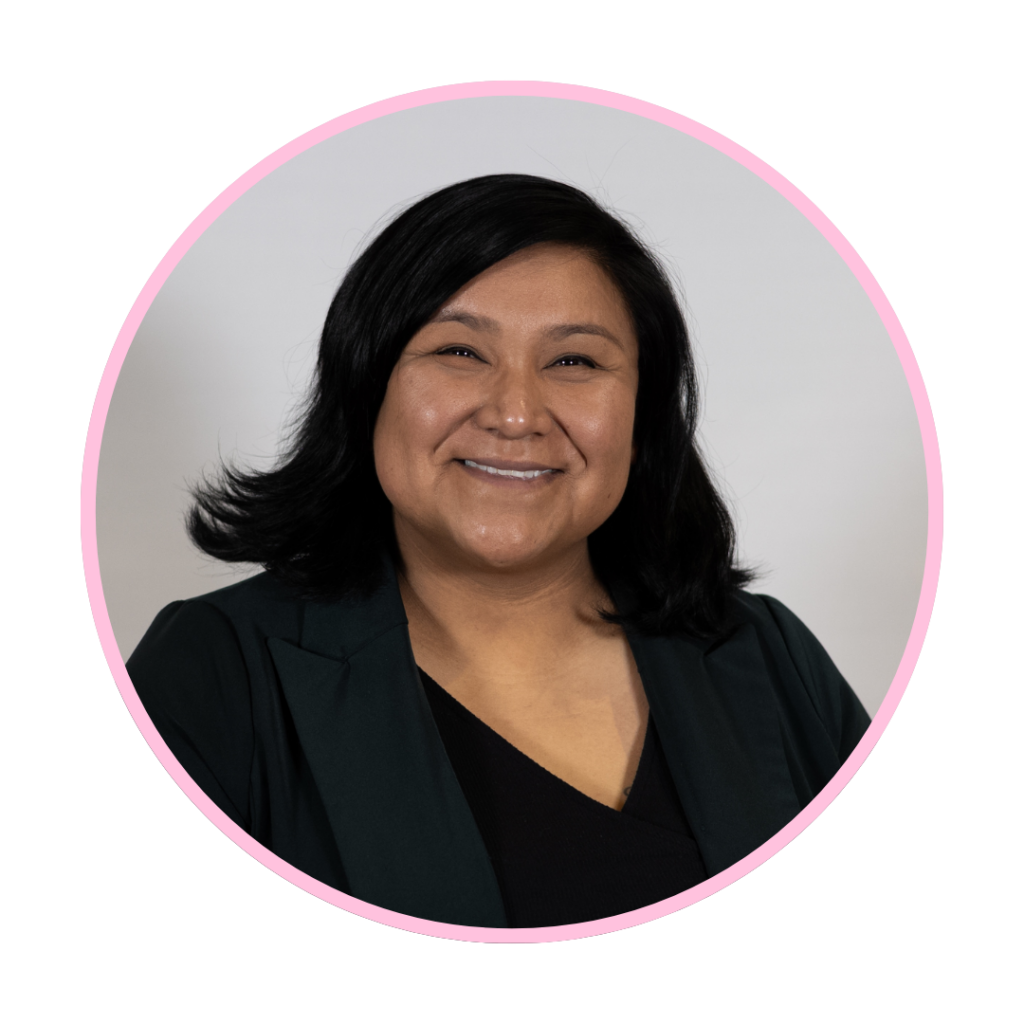
Vivian Morris is the State Government Relations Specialist for the Muscogee (Creek) Nation. She joined the Nation in June 2025. Vivian is Alabama (federally recognized as Alabama-Quassarte Tribal Town), Mvskoke-Seminole, and Diné (Navajo). She grew up in rural Oklahoma, on both the Mvskoke (Creek) and Seminole Nation reservations. She completed her Master of Public Administration degree with a Public Policy concentration from the University of Oklahoma in May 2022 and holds dual bachelor’s degrees in Environmental Studies and Women and Gender Studies, with a minor in Native American Studies from the University of Oklahoma. Prior to joining the Nation, she worked at the Oklahoma Policy Institute as their first Tribal-State Policy Fellow through the Center on Budget and Policy Priorities State Priorities Partnership’s National Fellowship, then as their first full-time Tribal-State Policy Analyst. Previously, Vivian served the Alabama-Quassarte Tribal Town Election Committee where she oversaw the Tribe’s election process and policy development and worked as a Tribal Government Relations Health Promotion Coordinator at the Oklahoma Health Care Authority (Medicaid). Vivian was a member of the 2022 AICCO Leadership Native Oklahoma class, recipient of the 2022 OU-WGS Alice Mary Robertson award, and Metriarch’s 2023 Breakthrough Policy Maven award.
We read the headlines. We see the statistics. We hear about the challenges affecting women and communities across Oklahoma. But awareness often leaves us with one lingering question: Okay, so now what?
This interactive session moves participants from understanding a public-health challenge to imagining, and building—a response to it. Working with real headlines and stories connected to Oklahoma women’s health, participants will investigate what is happening beneath the immediate issue: Who is affected? What systems and conditions surround it? Who is already working on it? What is missing or needed? And where might there be an opportunity to contribute?
Along the way, participants will be introduced to Opportunity Literacy, a framework for strengthening our ability to recognize, evaluate, and act on possibilities around us. But we won’t stop at recognizing opportunity. Participants will use AI-assisted tools and vibe coding to turn their investigation into an idea and build a simple prototype (a tool, resource, campaign, program, service, or experience) that responds to something they discovered. The goal isn’t to solve a complex public-health challenge in one session. It’s to practice moving toward solutions instead of remaining stuck in the problem.
Participants will leave with both a new mental model for recognizing opportunity and something tangible they created in response to one. Because seeing the problem is only the beginning. The next question is: What can we do from here?
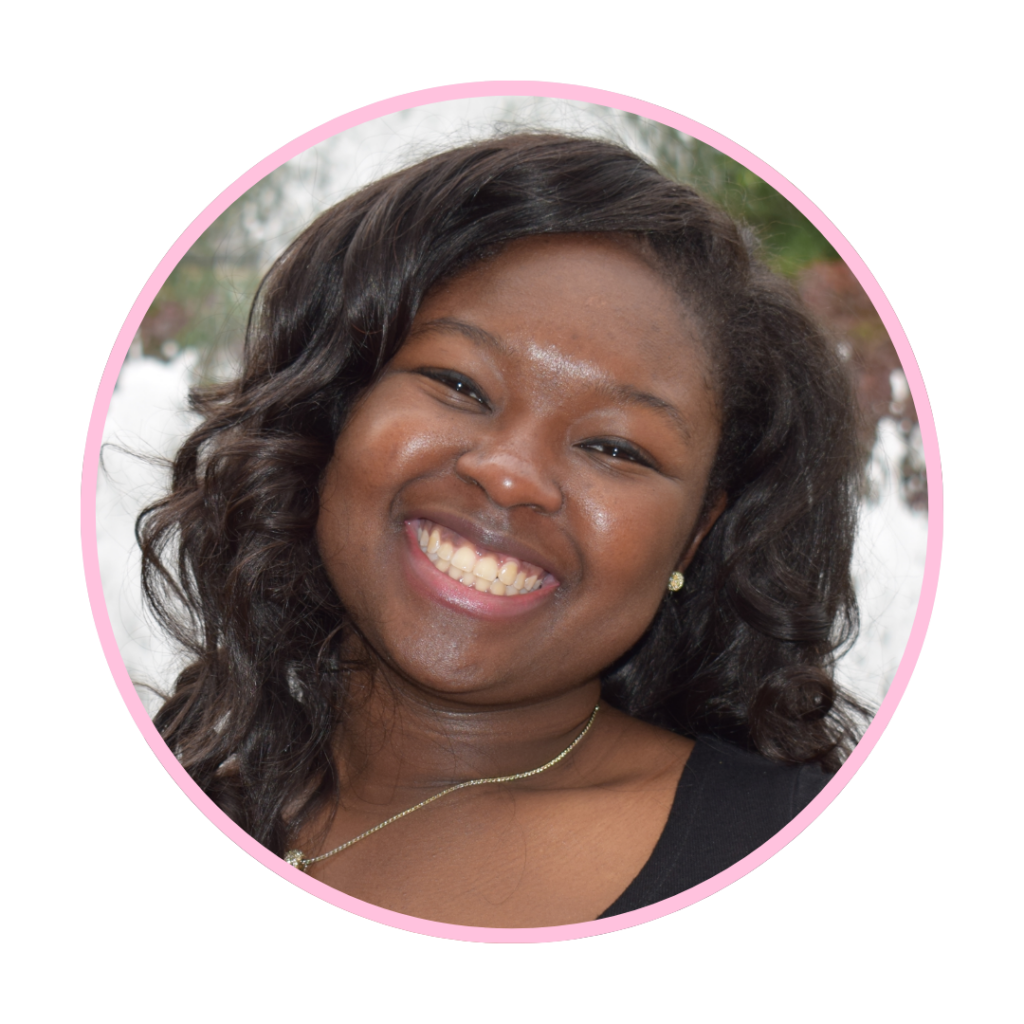
Déja White is a speaker, builder, and opportunity researcher whose work explores how people recognize possibility, and what helps them act on it. Across a career spanning technology, media, education, and workforce development, she has worked with and built experiences for organizations including Uber, Warner Bros. Discovery, Google Women Techmakers, Girls Who Code, Morning Brew, and ACT. She is the founder of Breakroom Buddha, a body of work that has reached more than 10,000 professionals through career development, technology, learning experiences, and community. She is also the creator of Scouta, an AI-enabled opportunity discovery tool;the researcher behind Opportunity Literacy, an emerging framework for understanding how people recognize and navigate personally meaningful possibilities;and host of the Thrive Now podcast. Today, her work brings together human agency, emerging technology, systems thinking, and self-actualization to explore a bigger question: How do we help people see more possibilities for themselves, and build the agency to pursue them?
Insuring access to adequate perinatal care in Oklahoma is a significant public health concern. Our state ranks 47th in the nation for women’s health (2024 Health of Women and Children Report) with nearly 52% of counties defined as maternity care deserts (compared to 34.6% nationally) and over 18% of counties having low or moderate access to maternal health care (March of Dimes, 2024). 12.3% of Oklahoma women between the ages of 15 and 44 live in a maternity care desert, compared to 3.7% nationally (Oklahoma Maternal Health Task Force, 2025). Oklahoma also has one of the highest uninsured rates among reproductive-aged women (17.5% compared to 11% nationally) and nearly 60% of live births are covered by Medicaid (March of Dimes, 2026).
Community-based doulas can play a distinct role in maternity care deserts by providing culturally concordant non-clinical educational, physical, and emotional support and connecting clients to resources. Doula care is associated with healthier births among “socially at-risk women” (ACOG, 2026), making it a key component of addressing gaps in maternal healthcare.
This panel brings together statewide experts from a variety of backgrounds to offer a practical and actionable targeted approach towards addressing gaps in maternity care in Oklahoma by developing and supporting a sustainable community-based doula workforce. This work is rooted in collective action among community organizations, health entities, and local institutions. Our collaborative approach not only aids in resource sharing but also amplifies the call for systemic change, encouraging an environment where maternal health equity becomes a community priority.
Martyne is a committed advocate for birth autonomy, reproductive justice, and maternal mental health support. With an MA from the University of Oklahoma, she brings her extensive experience in university-level curriculum development and teaching to serve as the Curriculum and Training Manager. Martyne became increasingly interested in birthwork after the birth of her two children, deciding to make the jump from a traditional education setting to OKBEI. She is passionate about using her love of education to develop training programs that support equity for birthing people and their families.
Ashlee Wilson is a leader and experienced birth worker, certified in both birth and postpartum care. Her experience of becoming a mother inspired her passion for supporting families through pregnancy, childbirth, and postpartum. In 2019, she transitioned into full-time doula work and has since built a career grounded in advocacy and a deep commitment to birth equity. Ashlee serves as the Program Director of the Community-Based Doula Program at Oklahoma Birth Equity Initiative. In this role, she leads the program and mentors emerging doulas while working to expand access to culturally responsive birth support throughout Tulsa and surrounding communities. Additionally, she serves as a Training Facilitator and Lead Editor for the Blossoming Birth Community-Based Doula Training, she brings a unique combination of professional expertise and lived experience to her work. She leads with integrity, empathy, and a firm belief that every birthing person deserves to feel empowered and supported. Her leadership is grounded in community and guided by a commitment to improving maternal health outcomes. A doula in both title and spirit, Ashlee brings compassion and dedication to her work while building strong relationships with the families she serves and the people she works alongside in her community.

Lakisa Roberts is an Early Childhood Educator, Parent Educator, Doula, and Doula Instructor dedicated to supporting families through education, compassionate care, and trauma-informed practices. She is a certified CPR/Mental Health First Aid instructor and Safe Sleep Instructor, with a strong focus on early childhood development, maternal and family support, and empowering parents with practical tools and knowledge.
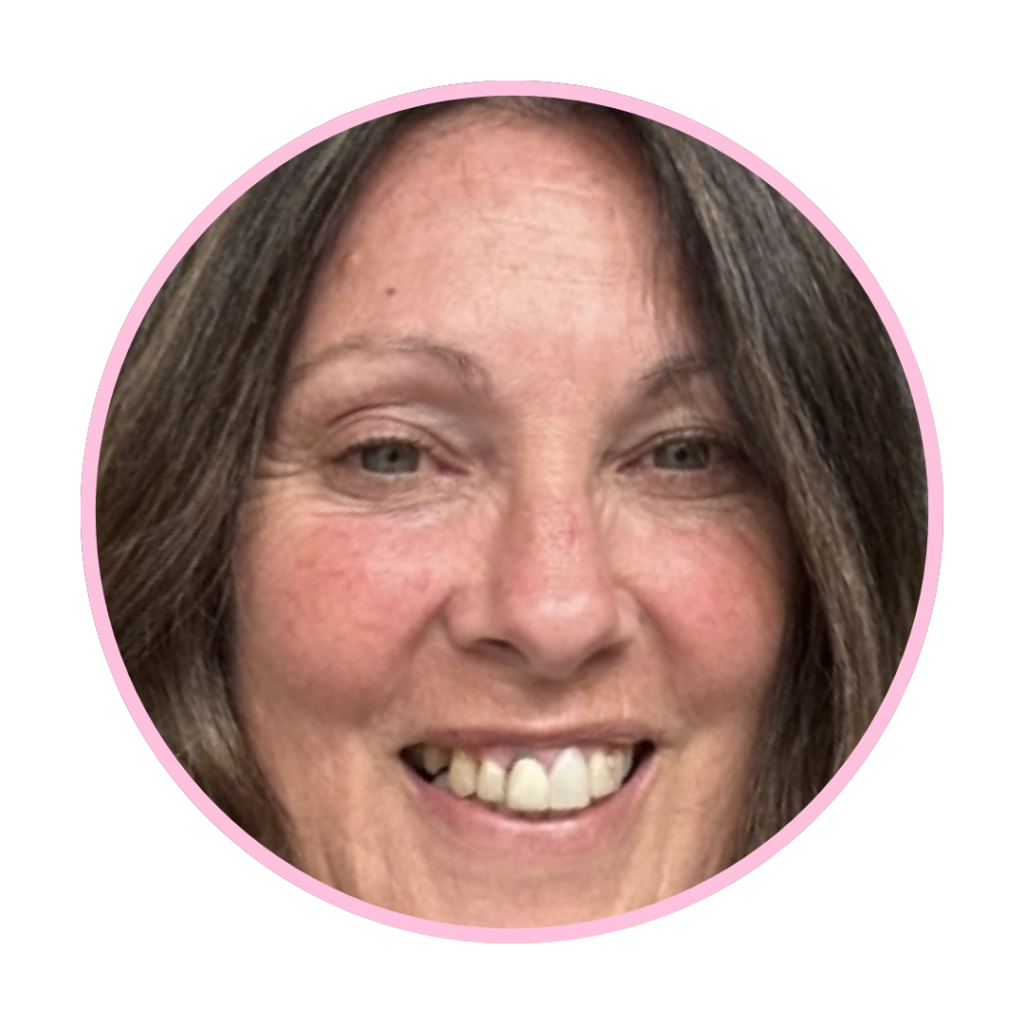
Kelli White is a Program Director, childbirth educator, and maternal health advocate dedicated to supporting women and families throughout the pregnancy, birth, and postpartum journey. As a Program Director of Lift Choosing Childbirth, she leads programs that educate, empower, and connect mothers with resources that promote healthy outcomes and informed decision-making. Through community engagement, cohort-based education, and advocacy, Kelli works to improve maternal and infant health while strengthening families. Her passion for health equity and culturally responsive care makes her a trusted voice in maternal wellness and family support.
3:20 pm – 3:30 pm
3:30 pm – 5:00 pm | Ballroom (265)
